
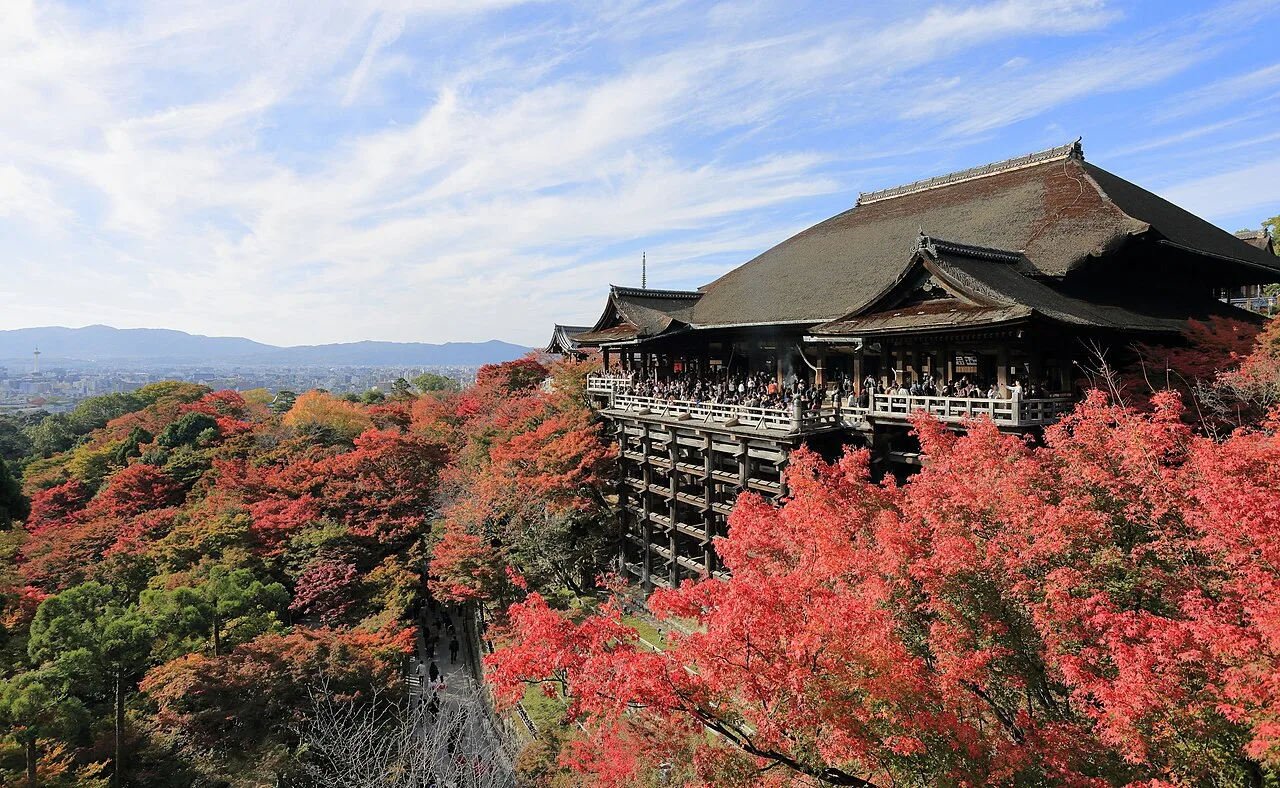
Choosing where to stay in Kyoto makes a big difference to your trip, because the city’s temples, shrines and gardens are spread across a wide valley and its buses are often crowded. Stay in the right area and you can walk to the sights early in the morning, before the crowds, or step out into lantern-lit lanes after dinner. The four main options are the Kyoto Station area for transport, downtown around Shijo and Kawaramachi for food and shopping, Gion and Higashiyama for old streets and temples, and Arashiyama on the western edge for bamboo groves and river views. This guide compares them and explains who each suits.
Last checked: October 30, 2026. This guide is based on research and comparison of official sources and current travel guides, not a sponsored stay. Transport times and rules change, so check before you go.
Quick answer
- First visit with day trips: The Kyoto Station area.
- Food, shopping and evenings out: Downtown — Shijo, Kawaramachi and Karasuma.
- Traditional atmosphere: Gion and Higashiyama.
- Nature and quiet nights: Arashiyama, for a night or two.
- From Kansai Airport: The JR Haruka runs direct to Kyoto Station in about 1 hour 20 minutes.
On this page
- Is the Kyoto Station area a good base?
- What about downtown Kyoto?
- Should I stay in Gion or Higashiyama?
- Is Arashiyama worth staying in?
- What about Nijo?
- Kyoto areas compared
- Who should stay where?
- How many nights should I stay, and should I split my stay?
- How do I get around Kyoto?
- When should I book, and what does it cost?
- Common mistakes to avoid
- Notes for families and travellers with reduced mobility
- FAQ
Is the Kyoto Station area a good base?
For most first-time visitors, yes. Kyoto Station is the city’s transport hub: shinkansen bullet trains, JR lines to Osaka and Nara, the Haruka airport express, Kintetsu trains to Nara, the Karasuma subway line and the main bus terminal all meet here. That makes it the easiest base for day trips and for arriving or leaving with luggage. The area has hotels at every level, from large international properties to business hotels and hostels on the quieter south side. The trade-off is charm: the streets around the station are modern and busy, and you’ll ride to most famous sights.
What about downtown Kyoto?
Downtown, around the Shijo and Kawaramachi crossing and west to Karasuma, is Kyoto’s main shopping and dining district. Nishiki Market, covered arcades, department stores and hundreds of restaurants are within walking distance, and the narrow Pontocho alley and Gion are just across the Kamo River. Hankyu trains run from Kyoto-kawaramachi to Osaka Umeda, and the subway connects to Kyoto Station. Downtown suits couples and food lovers who want evenings out. It’s crowded at weekends, and rooms close to the main streets can be noisy.
Should I stay in Gion or Higashiyama?
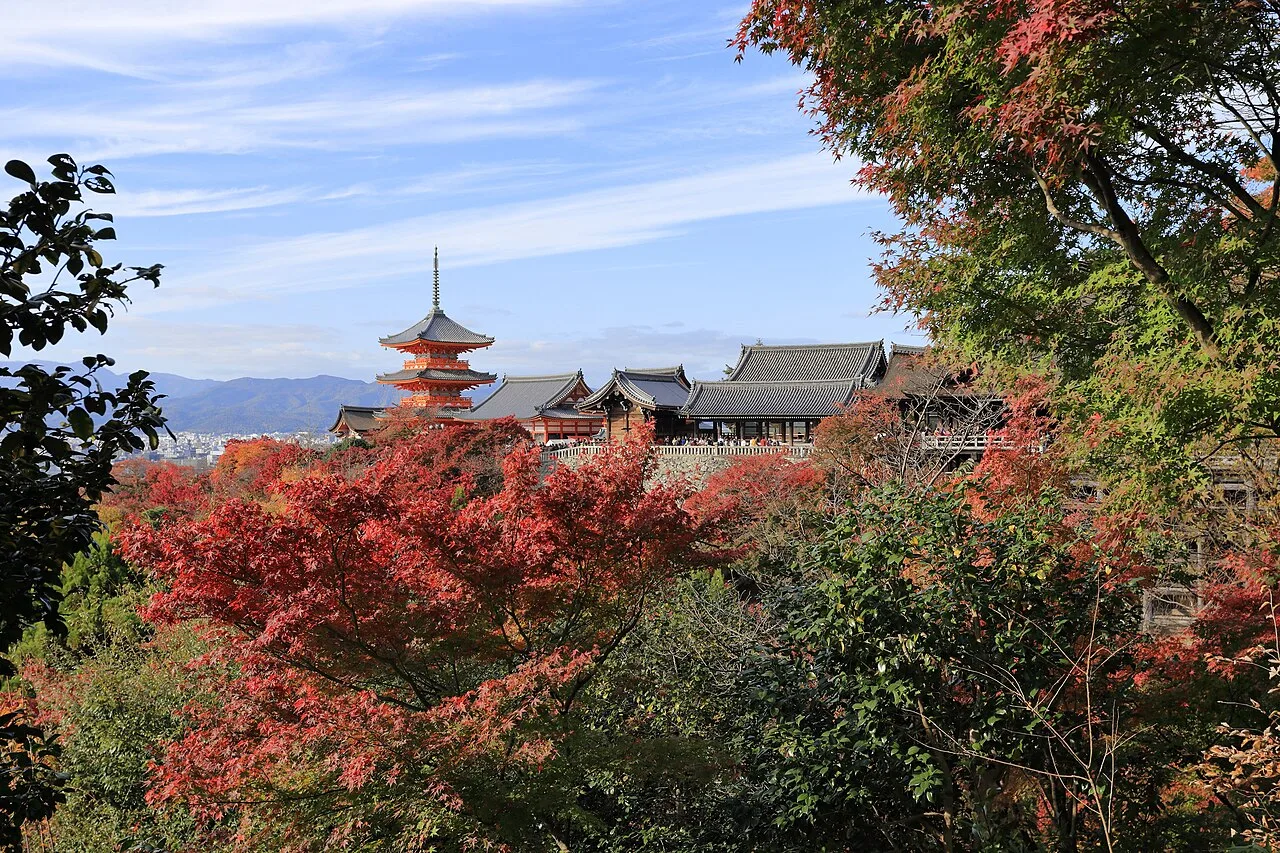
Gion, Kyoto’s famous geisha district, and neighbouring Higashiyama are the city’s most atmospheric areas, with wooden machiya townhouses, stone-paved slopes, small shrines and some of its best-known temples, including Kiyomizu-dera, within walking distance. Staying here lets you see the lanes early in the morning or after dark, when they’re quiet and at their most beautiful. Accommodation leans towards small, higher-priced inns and boutique stays, with fewer budget options. Keihan trains from Gion-Shijo run south to Fushimi Inari and on to Osaka.
Is Arashiyama worth staying in?
Arashiyama, on Kyoto’s western edge, is famous for its bamboo grove, the Togetsukyo Bridge and riverside scenery. Day visitors pour in from mid-morning, so staying a night lets you walk the bamboo grove at dawn and enjoy the river at dusk. Traditional inns along the river make it a good place for a special night. It’s around 30 minutes from the centre by train, and evenings are quiet, so most travellers stay one or two nights rather than a whole trip.
What about Nijo?
The streets around Nijo Castle, west of downtown, are a calmer central option on the Tozai subway line and JR Sagano line, which runs to Arashiyama. It’s a good compromise between transport, price and peace, though there are fewer restaurants at night than downtown.
Kyoto areas compared
| Area | Best for | Getting around | Watch out |
|---|---|---|---|
| Kyoto Station | First trips, day trips, luggage | Shinkansen, JR, Kintetsu, subway, buses | Less charm; busy station |
| Downtown (Shijo / Kawaramachi / Karasuma) | Food, shopping, nightlife | Hankyu, subway, walking | Weekend crowds, street noise |
| Gion / Higashiyama | Old streets, temples, evening walks | Keihan, buses, walking | Fewer budget options; day-tripper crowds |
| Nijo | Calm central base | Tozai subway, JR Sagano line | Fewer restaurants at night |
| Arashiyama | Bamboo grove at dawn, river views | JR, Randen, Hankyu | About 30 minutes from the centre; quiet evenings |
Where are these areas?
Markers show the approximate centre of each area. Map data © OpenStreetMap contributors.
Who should stay where?
- First-timers with day trips to Nara or Osaka: Kyoto Station.
- Couples and food lovers: downtown, or Gion for atmosphere.
- Photographers and early risers: Higashiyama or Arashiyama.
- Families: Kyoto Station for convenience and bigger rooms.
- Travellers wanting a traditional inn: Gion, Higashiyama or Arashiyama; see staying in a ryokan for the first time.
How many nights should I stay, and should I split my stay?
Two or three nights cover the highlights of central and eastern Kyoto; four or more let you add Arashiyama, Fushimi Inari at dawn and a day trip to Nara at a relaxed pace. On longer stays, a split works well: most nights near Kyoto Station or downtown for convenience, plus one night in Gion, Higashiyama or Arashiyama for the early-morning and evening atmosphere. Japan’s luggage delivery services can move your bags between hotels, so you only carry an overnight bag.
Kyoto is also easy to combine with Osaka, 15–45 minutes away by train depending on the line. Many travellers spend the first half of a trip in Kyoto and the second in Osaka, which is closer to Kansai Airport.
How do I get around Kyoto?
Kyoto has two subway lines, JR lines, several private railways (Keihan, Hankyu, Kintetsu and the Randen tram) and a large bus network. Buses reach many temples but are slow and crowded at peak times, so trains and walking are often faster. Base yourself near a train or subway station rather than relying only on buses. An IC card such as ICOCA or Suica works on almost everything. The flat centre is also pleasant by bicycle.
When should I book, and what does it cost?
Kyoto is busiest in cherry-blossom season (late March to early April) and autumn-leaf season (November), when rooms sell out early and prices rise sharply. Book as soon as your dates are fixed, with a free-cancellation rate. Kyoto City charges an accommodation tax per person per night, tiered by the room rate, with higher rates introduced in 2026; check the current amounts and the total before you pay. If prices are very high on your dates, staying in Osaka and visiting Kyoto by train is an easy alternative.
Common mistakes to avoid
- Staying far from any train line and relying only on buses at peak times.
- Booking a traditional inn without checking dinner times and arrival deadlines.
- Leaving cherry-blossom or November bookings until the last minute.
- Forgetting that the accommodation tax is added on top of the room rate.
- Trying to see everything from one end of the city; group sights by area instead.
Notes for families and travellers with reduced mobility
With children, the Kyoto Station area is usually the easiest base: bigger rooms, lifts, department-store food halls and direct trains for day trips. Kyoto Station and the main subway stations have lifts, and newer hotels near the station usually have the best accessible rooms. Higashiyama’s stone slopes and temple steps can be hard with a wheelchair or pushchair, so plan routes carefully and visit early. Traditional inns may have steps, narrow corridors and futon on tatami floors; ask about Western-style beds and step-free access if you need them.
FAQ
What is the best area to stay in Kyoto for first-timers?
The Kyoto Station area for transport, or downtown around Shijo and Kawaramachi for food and atmosphere.
Is it better to stay in Kyoto or Osaka?
Kyoto for temples and early mornings; Osaka for food, nightlife and often lower prices. Many travellers stay in both.
How many nights do you need in Kyoto?
At least two or three nights; four or more if you also want Nara or Arashiyama.
How do I get from Kansai Airport to Kyoto?
The JR Haruka runs direct to Kyoto Station in about 1 hour 20 minutes.
Get new where-to-stay guides by email
One short email when we publish a new city guide. No spam, unsubscribe any time.
We will email you to confirm. See our privacy policy.

We are a small independent team based in Seoul. We compare neighbourhoods using official tourism and transport sources, maps and current guides, and we say clearly when something is research rather than a personal stay. No sponsored placements. About us and how we work.
Sources: Kyoto City – official travel guide · Wikipedia – Kyoto Station · Wikipedia – Gion · Wikipedia – Arashiyama · Wikipedia – Kiyomizu-dera · Wikipedia – Haruka (train)