
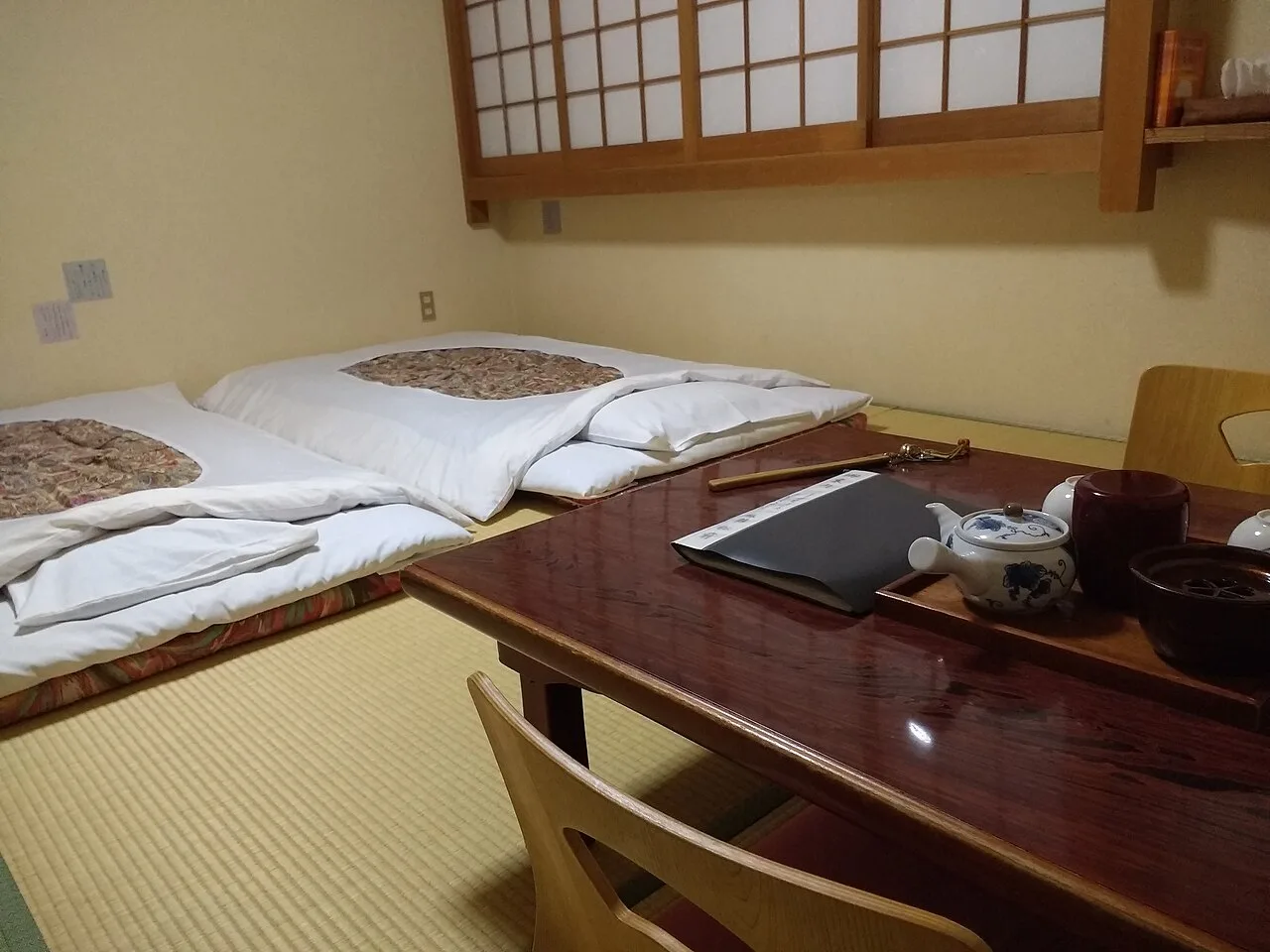
Staying in a ryokan for the first time is one of the most memorable things you can do in Japan. A ryokan is a traditional Japanese inn: rooms with tatami-mat floors and sliding paper screens, futon beds laid out for you in the evening, cotton yukata robes, communal or private baths — often fed by a natural hot spring — and, at many, an elaborate seasonal dinner served course by course. The experience follows its own rhythm and etiquette, and knowing what to expect makes it far more relaxing. This guide walks through a typical stay, the etiquette that matters, the different kinds of ryokan, and how to choose and book one.
Last checked: October 30, 2026. This guide is based on research and comparison of official sources and current travel guides, not a sponsored stay. Transport times and rules change, so check before you go.
Quick answer
- What’s usually included: A tatami room, futon, yukata, baths, and often dinner and breakfast.
- How long: One night is enough for most first-timers.
- Where: Kyoto, hot-spring towns such as Hakone, Kinosaki and Arima, and many rural areas.
- Tattoos: Some communal baths don’t allow them; private baths are the easy answer.
- Check-in: Usually mid-afternoon; arrive in time for dinner.
On this page
- What happens during a ryokan stay?
- What is kaiseki dinner like?
- What etiquette should I know?
- How do the baths work?
- Types of ryokan compared
- Who should stay where?
- How much does a ryokan cost, and how do I book?
- Where are the best places to try a ryokan?
- Common first-timer mistakes
- How do I choose the right ryokan?
- What should I pack?
- Notes for families and travellers with reduced mobility
- FAQ
What happens during a ryokan stay?
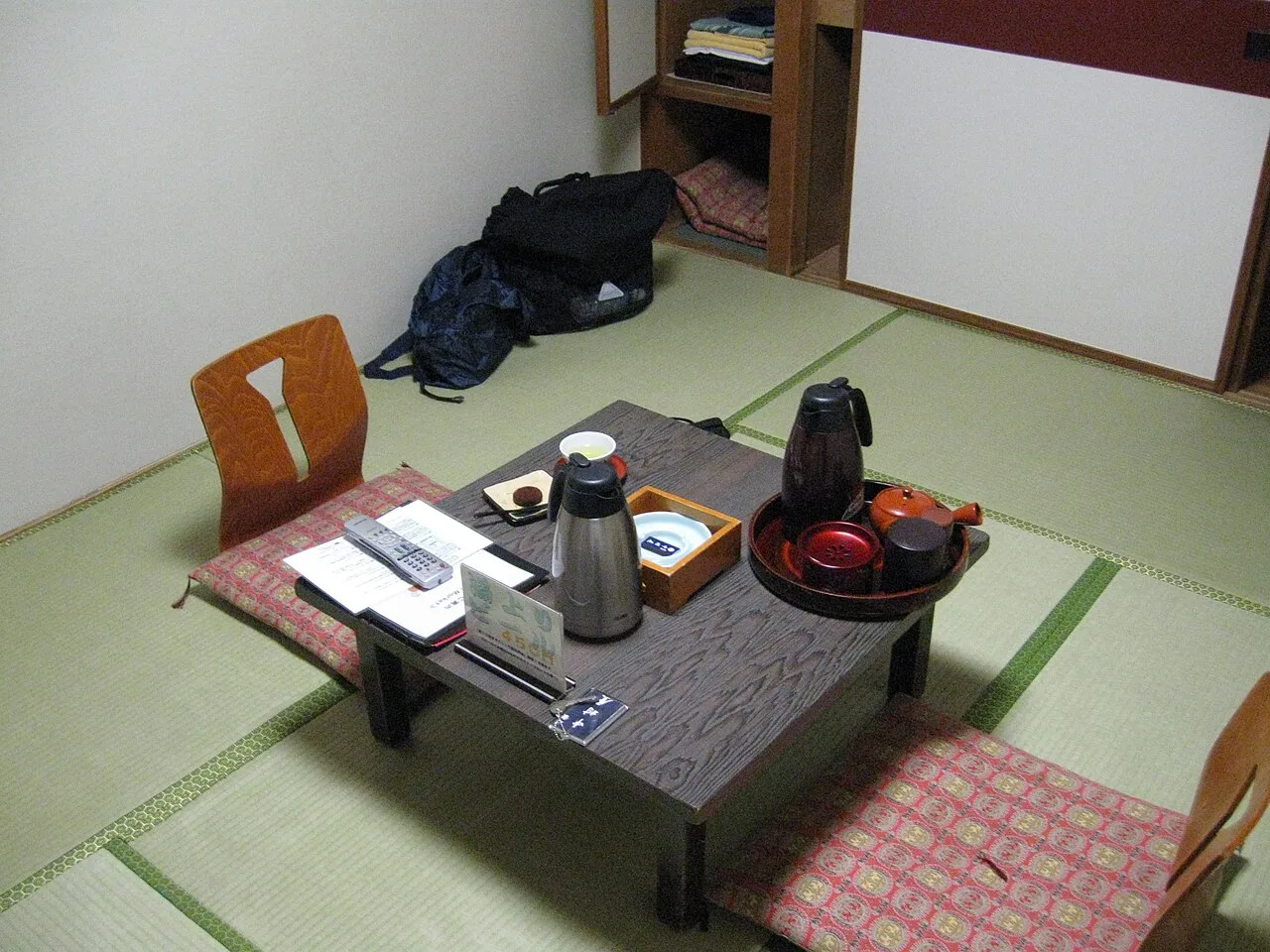
Most stays begin in the mid-afternoon. You take your shoes off at the entrance and put on slippers, and staff show you to your room, often serving green tea and a small sweet while explaining the bath and meal times. Before dinner, guests usually change into the yukata provided and try the baths. Dinner may be served in your room, a private dining room or a restaurant. While you’re out, staff often lay out the futon on the tatami. The next morning brings breakfast, usually Japanese-style, and perhaps a final bath before check-out, typically around mid-morning.
What is kaiseki dinner like?
Many ryokan serve kaiseki, a multi-course meal built around the season and the region: small plates of sashimi, simmered vegetables, grilled fish, a hot pot or local meat, rice, pickles, miso soup and a dessert, often eight or more courses over an hour or two. It’s as much about presentation as taste. If you’re vegetarian, vegan or have allergies, tell the ryokan when you book; many can adapt the menu with notice, but it’s difficult on arrival. Some city ryokan offer room-only plans if you’d rather eat out.
What etiquette should I know?
- Take off outdoor shoes at the entrance; take off slippers before stepping onto tatami.
- Wrap your yukata left side over right — right over left is used for the deceased.
- In communal baths, wash and rinse thoroughly at the shower stools before getting in, and keep towels out of the water.
- Keep your voice down in corridors and baths, especially at night.
- Arrive by the time you agreed; dinner is prepared for set times.
- Tipping isn’t expected.
How do the baths work?
Many ryokan, especially in hot-spring towns, have large communal baths separated by gender, sometimes with outdoor pools. Bathing is nude, and you bring only a small towel. Some ryokan swap the men’s and women’s baths at certain times so guests can enjoy both. Private baths that you can book for a set time, sometimes called kashikiri baths, are ideal for couples, families and travellers with tattoos. Rooms with their own open-air bath are the most private option. Keep soaks short at first, drink water, and avoid bathing after drinking alcohol.
Types of ryokan compared
| Type | Best for | Getting around | Watch out |
|---|---|---|---|
| Hot-spring ryokan | Baths, scenery, a full experience | Train or bus to onsen towns | Fixed dinner times; higher prices at weekends |
| City ryokan (e.g. Kyoto) | Combining with sightseeing | Walk or take trains to the sights | Often no natural hot spring |
| Rooms with a private bath | Couples, tattoos, privacy | Same as the ryokan | Book early; the most expensive rooms |
| Minshuku (family-run inns) | Budget, rural trips | Often rural; check access | Shared bathrooms, simpler meals |
Who should stay where?
- Couples: a hot-spring ryokan with a private bath.
- First-timers already in Kyoto: a city ryokan for one night; see where to stay in Kyoto.
- Families: a ryokan with family rooms and a private bath; check age policies.
- Travellers with tattoos: a room with its own bath, or a ryokan with bookable private baths.
- Budget travellers: a minshuku or a simple inn with breakfast only.
How much does a ryokan cost, and how do I book?
Ryokan prices are usually quoted per person, including dinner and breakfast, and vary widely: simple inns can cost about the same as a mid-range hotel, while famous hot-spring ryokan, especially rooms with a private bath, cost much more. Weekends, holidays, cherry-blossom season and autumn are the most expensive. Look for weekday stays and plans with breakfast only if you want to save. Hot-spring towns charge a small bathing tax, and some cities charge an accommodation tax, usually paid at the inn. When booking, check dinner time options, whether rooms have their own toilet and bath, and the latest check-in time.
Where are the best places to try a ryokan?
Kyoto has city ryokan in Gion, Higashiyama and Arashiyama, ideal if you’re sightseeing anyway. Near Osaka and Kobe, Arima Onsen is one of Japan’s oldest hot-spring towns, about an hour from Osaka. Kinosaki Onsen, a few hours from Kyoto and Osaka, is famous for its seven public baths, which guests visit in yukata and wooden sandals. Hakone, south-west of Tokyo, combines hot springs with views of Mount Fuji on clear days. Each has a different character, but all offer the full ryokan experience.
Common first-timer mistakes
- Arriving late and missing dinner, which is prepared for a set time.
- Not mentioning allergies or dietary needs until check-in.
- Wearing slippers on tatami, or the toilet slippers back into the room.
- Booking a ryokan with only communal baths when you have tattoos or want privacy.
- Planning a long day of sightseeing on the ryokan day — leave time to enjoy the inn.
How do I choose the right ryokan?
Start with the experience you want. If the bath is the highlight, choose a hot-spring town and check the type of spring, whether there are outdoor baths and whether private baths can be booked. If food matters most, read about the dinner style and whether it’s served in your room. If you’re combining the stay with sightseeing, a city ryokan close to a station saves time. Then check practical details: the latest check-in time, whether the room has its own toilet and bath, bed type, and the cancellation policy, which at ryokan can be stricter than at hotels because meals are prepared in advance.
What should I pack?
Pack light, because you’ll spend most of your time in the yukata the inn provides. Ryokan provide yukata, towels, toiletries and slippers. Bring socks, because tatami floors can be cool, a small bag for carrying things to the bath, and some cash in case smaller inns don’t take cards. Large suitcases can be awkward in traditional buildings; consider leaving them at a station locker or sending them ahead with a luggage delivery service.
Notes for families and travellers with reduced mobility
Many children love sleeping on futon, and some ryokan offer children’s meals and family baths, but a few upscale ryokan don’t accept young children, so check first. Traditional buildings may have steps, narrow corridors and low futon beds that are hard to get up from; some ryokan offer Western-style beds, accessible rooms or rooms close to the lift. Ask directly before booking if you need step-free access.
FAQ
Is a ryokan worth it?
For most travellers, yes, for at least one night: the food, baths and hospitality are very different from a hotel.
Can I stay in a ryokan with tattoos?
Choose a room with a private bath, or a ryokan with private baths you can book.
Do ryokan have beds?
Most use futon on tatami; some have Western-style beds.
Do I have to eat dinner at the ryokan?
Many plans include dinner, but some city ryokan offer room-only or breakfast-only plans.
Get new where-to-stay guides by email
One short email when we publish a new city guide. No spam, unsubscribe any time.
We will email you to confirm. See our privacy policy.

We are a small independent team based in Seoul. We compare neighbourhoods using official tourism and transport sources, maps and current guides, and we say clearly when something is research rather than a personal stay. No sponsored placements. About us and how we work.
Sources: Wikipedia – Ryokan · Wikipedia – Onsen · japan-guide.com – Onsen beginner’s guide · japan-guide.com – Minshuku · Kyoto City – official travel guide