
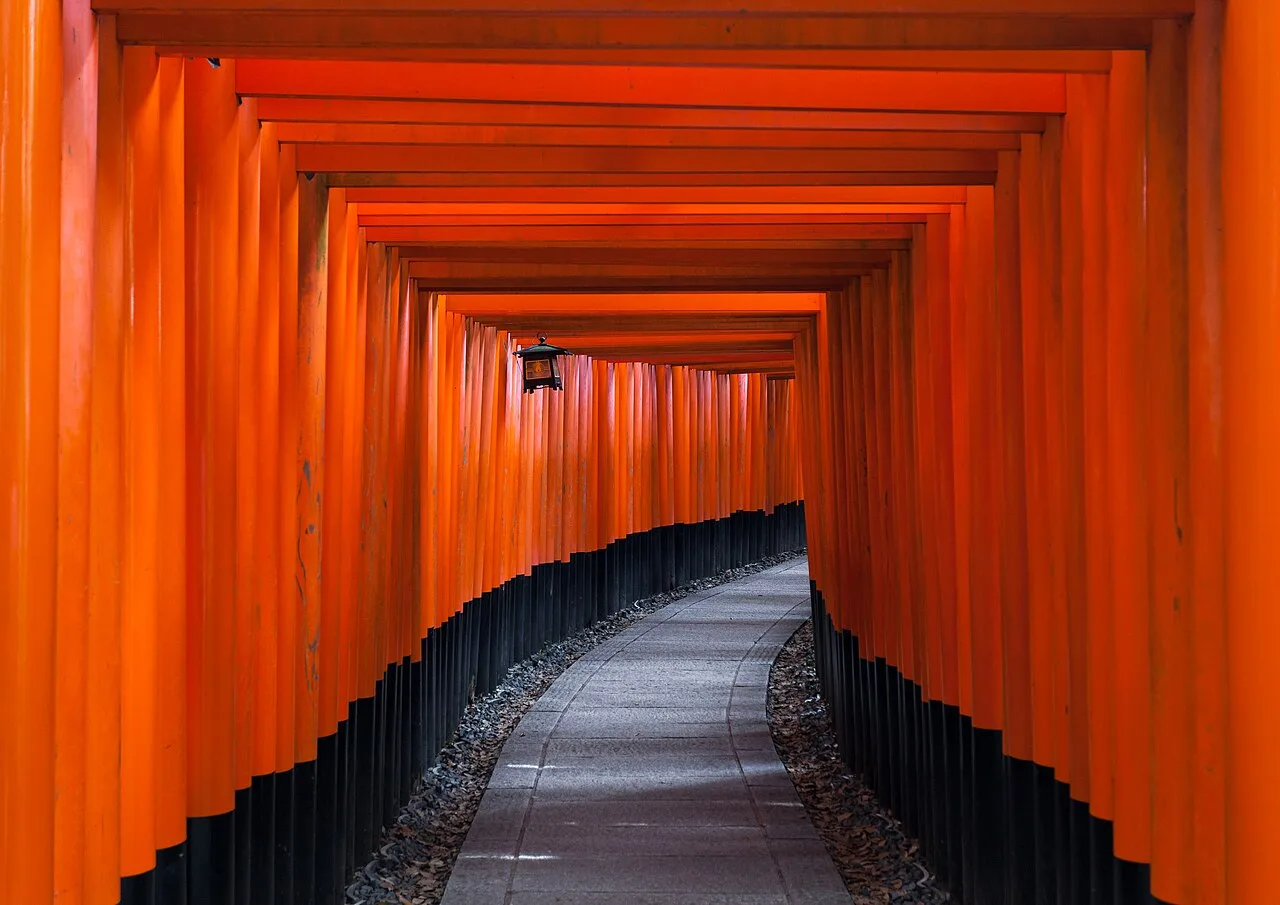
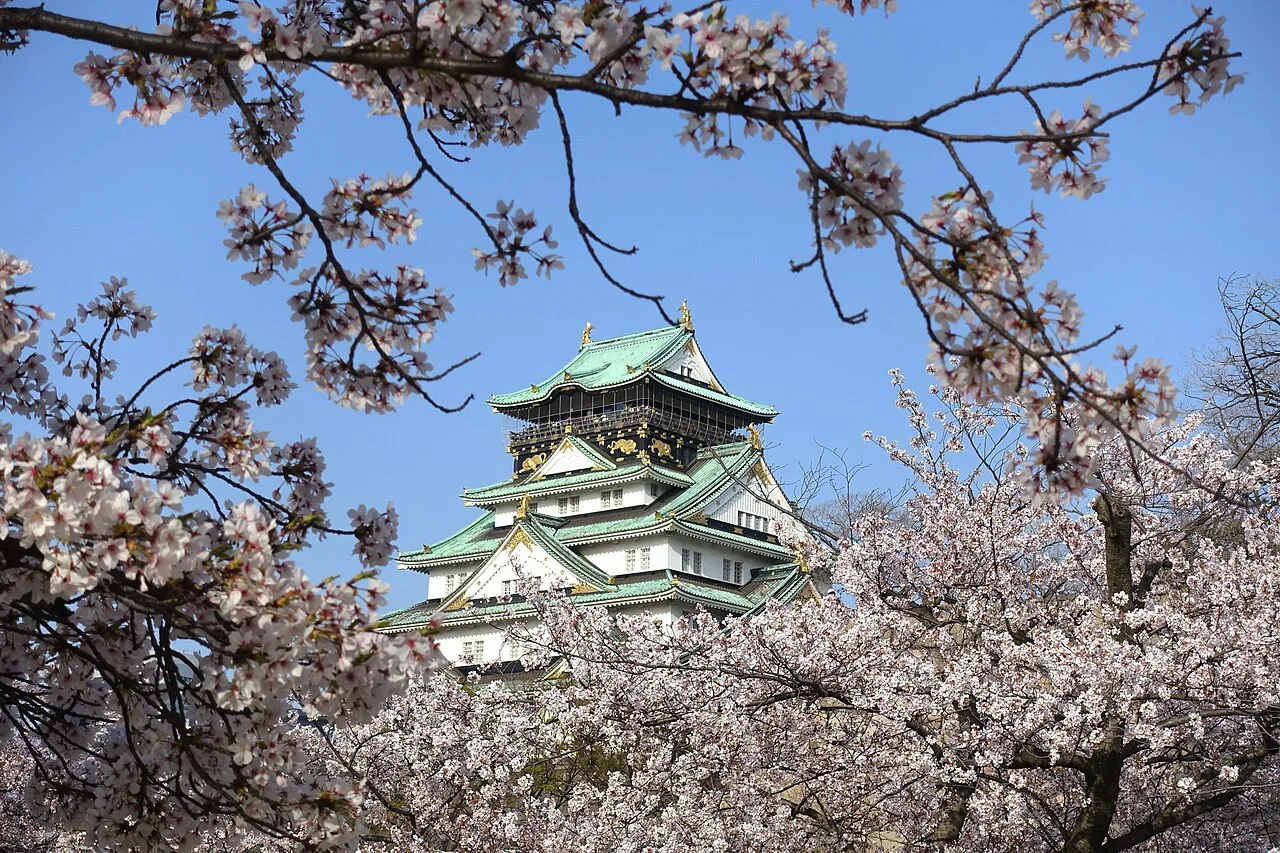
Should you stay in Osaka or Kyoto? It’s one of the most common questions when planning a trip to Japan’s Kansai region, and the honest answer is that the two cities are so close — 15 to 45 minutes apart by train — that you can visit both from either base. The real choice is about what you want outside your door in the morning and evening. Kyoto, the old imperial capital, offers temples at dawn, quiet lanes and traditional inns. Osaka, a big commercial city, offers food, nightlife, shopping, more choice of accommodation and usually lower prices. This guide compares them so you can choose one base, or split your stay.
Last checked: October 30, 2026. This guide is based on research and comparison of official sources and current travel guides, not a sponsored stay. Transport times and rules change, so check before you go.
Quick answer
- Temples, gardens and early mornings: Kyoto.
- Food, nightlife, shopping and value: Osaka.
- Day trips to Nara, Kobe and Himeji: Osaka is the easier hub; Kyoto also works well for Nara.
- Four nights or more: Split your stay: two nights in Kyoto, two or three in Osaka.
- Flying into Kansai Airport: Osaka is closer; the JR Haruka reaches Kyoto in about 1 hour 20 minutes.
On this page
- How are Osaka and Kyoto different?
- How do I get between Osaka and Kyoto?
- Osaka and Kyoto bases compared
- Who should stay where?
- Why stay in Kyoto?
- Why stay in Osaka?
- Sample plans
- What is a typical day like from each base?
- What kinds of accommodation are there in each city?
- Which is cheaper?
- Common mistakes to avoid
- Is it worth splitting my stay?
- Notes for families and travellers with reduced mobility
- FAQ
How are Osaka and Kyoto different?
Kyoto was Japan’s capital for more than a thousand years, and it shows: the city is dotted with temples, shrines, gardens and traditional wooden townhouses, and the pace in its historic districts is slow. Evenings are calm, and many restaurants close early. Osaka is a modern, energetic city known as Japan’s kitchen, famous for street food, lively entertainment districts and a friendly, informal character. It has a much larger supply of hotels, which keeps prices lower, and it’s closer to Kansai Airport and Universal Studios Japan.
How do I get between Osaka and Kyoto?
Several lines connect the two cities, each serving different parts of town. The shinkansen from Shin-Osaka reaches Kyoto Station in about 15 minutes; it’s the fastest but most expensive option. JR special rapid trains link Osaka Station (Umeda) and Kyoto Station in about half an hour. The Hankyu Kyoto Line runs from Osaka-umeda to Kyoto-kawaramachi, in downtown Kyoto near Gion, in around 45 minutes. The Keihan Main Line runs from Yodoyabashi and Kitahama in central Osaka to Gion-Shijo, passing Fushimi Inari on the way. Choose the line that connects your two neighbourhoods directly.
Osaka and Kyoto bases compared
| Area | Best for | Getting around | Watch out |
|---|---|---|---|
| Kyoto – Kyoto Station | Day trips, transport, first visits | Shinkansen, JR, subway, buses | Less atmosphere |
| Kyoto – Downtown / Gion | Atmosphere, evenings, temples | Hankyu, Keihan, walking | Higher prices; crowds in peak seasons |
| Osaka – Umeda | Day trips to Kyoto and Kobe | JR, Hankyu, subway | Huge, confusing stations |
| Osaka – Namba | Food, nightlife, airport trains | Midosuji Line, Nankai | Crowds and late noise |
| Osaka – Honmachi / Yodoyabashi | Calm, value, Keihan to Kyoto | Subway, Keihan | Quiet evenings |
Where are these areas?
Markers show the approximate centre of each area. Map data © OpenStreetMap contributors.
Who should stay where?
- Temple lovers and photographers: Kyoto, ideally near Gion or Higashiyama.
- Food lovers and night owls: Osaka, in Namba or Umeda.
- Families with children: Osaka, especially for Universal Studios Japan; see where to stay in Osaka with kids.
- Budget travellers: Osaka; see where to stay in Osaka on a budget.
- Travellers with four or more nights: both.
Why stay in Kyoto?
The main reason is time of day. Kyoto’s most famous sights, such as Fushimi Inari, Kiyomizu-dera and the Arashiyama bamboo grove, are crowded from mid-morning, but nearly empty at dawn. Staying in Kyoto lets you visit early and return to quiet streets in the evening. It’s also the best place for a night in a ryokan; see staying in a ryokan for the first time. The downsides are higher prices, especially in spring and autumn, crowded buses, and fewer late-night options.
Why stay in Osaka?
Osaka gives you more for your money: more accommodation at every level, generally lower prices, and larger rooms for the same budget. Its food scene — from Dotonbori’s takoyaki stands to Kuromon Market and Shinsekai’s skewers — is a highlight in itself, and nightlife continues well after Kyoto has gone to sleep. Osaka is also the better hub for Kansai Airport, Universal Studios Japan, Kobe, Himeji and Nara. See where to stay in Osaka for each area.
Sample plans
| Trip | Suggested base |
|---|---|
| 3 nights, mostly temples | Kyoto, with one evening in Osaka |
| 3 nights, food and fun | Osaka, with a day in Kyoto |
| 5 nights | 2 nights Kyoto + 3 nights Osaka |
| Family trip with Universal Studios Japan | Osaka |
| Cherry blossom or autumn leaves | Book Kyoto very early, or base in Osaka |
What is a typical day like from each base?
From Kyoto: walk up to Fushimi Inari before the crowds, take the train back for Tofuku-ji or Sanjusangendo, spend the afternoon in Higashiyama and Kiyomizu-dera, and finish with dinner in Gion or Pontocho. Everything is close, and you’ll be back at your room early. From Osaka: see Osaka Castle in the morning, have lunch at Kuromon Market, spend the afternoon shopping in Shinsaibashi, and end with Dotonbori’s lights and street food — or take the train to Kyoto for the day and come back for a late dinner. Osaka bases work best for travellers who don’t mind a train ride before sightseeing in Kyoto.
What kinds of accommodation are there in each city?
Osaka has a deep supply of business hotels, international hotels in Umeda and Nakanoshima, capsule hotels, hostels and apartment hotels, which makes it easy to find family rooms and larger spaces. Kyoto has fewer large hotels and more boutique stays, traditional ryokan and machiya townhouse rentals, many of them small and in high demand. If you want a traditional inn, Kyoto is the place; if you want choice and space, Osaka usually wins.
Which is cheaper?
Osaka almost always is. Kyoto’s prices rise sharply in cherry-blossom season (late March to early April) and autumn-leaf season (November), and the city charges a tiered accommodation tax, with higher rates introduced in 2026. Osaka also charges an accommodation tax above a certain room price, but its larger supply keeps rates more stable. If Kyoto is very expensive on your dates, base yourself in Osaka near a Hankyu, Keihan or JR station and visit Kyoto by train.
Common mistakes to avoid
- Staying in Kyoto but planning to spend every evening in Osaka, or the reverse.
- Leaving Kyoto bookings for cherry-blossom season or November until the last minute.
- Choosing a Kyoto base far from any train line and relying on crowded buses.
- Forgetting to compare the accommodation tax and the final total.
Is it worth splitting my stay?
With four nights or more, usually yes. Start in Kyoto while you’re likely to wake early, then move to Osaka for food and nightlife and finish close to Kansai Airport. The move takes under an hour, and Japan’s luggage delivery services can send suitcases between hotels so you travel with only a day bag. With three nights or fewer, one base saves packing time.
Notes for families and travellers with reduced mobility
Osaka’s newer hotels and big stations are generally easier with pushchairs and wheelchairs, though Umeda’s stations are large and finding lifts takes time. Kyoto’s main stations have lifts, but many temples involve slopes, gravel and steps, and buses are crowded. Plan Kyoto sightseeing for early mornings, group sights by area, and consider taxis between hilly districts.
FAQ
Is it better to stay in Osaka or Kyoto?
Kyoto for atmosphere and early temple visits; Osaka for food, nightlife and value. With four nights or more, stay in both.
Can you day-trip to Kyoto from Osaka?
Yes, easily: 15–45 minutes by train depending on the line.
How many days do you need in Osaka and Kyoto?
About two to three days in each for a first visit.
Which train should I take from Osaka to Kyoto?
JR from Osaka Station to Kyoto Station, Hankyu from Umeda to downtown Kyoto, or Keihan to Gion and Fushimi Inari.
Get new where-to-stay guides by email
One short email when we publish a new city guide. No spam, unsubscribe any time.
We will email you to confirm. See our privacy policy.

We are a small independent team based in Seoul. We compare neighbourhoods using official tourism and transport sources, maps and current guides, and we say clearly when something is research rather than a personal stay. No sponsored placements. About us and how we work.
Sources: Kyoto City – official travel guide · Osaka Info – official Osaka travel guide · Wikipedia – Hankyu Kyoto Main Line · Wikipedia – Keihan Main Line · Wikipedia – Haruka (train) · Wikipedia – Fushimi Inari-taisha