
Updated 13 November 2026 · By the Donquijotel team
Choosing where to stay in Fukuoka is refreshingly simple. Japan’s sixth-largest city has an airport just two subway stops from the main station, a compact centre and only a few areas that matter for visitors: Hakata, around the shinkansen station; Tenjin, the shopping and dining hub; and Nakasu, the island between them famous for open-air food stalls. This guide compares them, answers the classic Hakata or Tenjin question, and covers airport hotels and onsen options.
Last checked: November 2, 2026. This guide is based on research and comparison of official sources and current travel guides, not a sponsored stay. Transport times and rules change, so check before you go.
Quick answer
- First-timers: Hakata Station area — shinkansen, airport subway and buses all in one place.
- Food, shopping and nightlife: Tenjin and Daimyo.
- Yatai stalls on your doorstep: Nakasu or Haruyoshi, between Hakata and Tenjin.
- Quiet and traditional: Gion, near Kushida Shrine.
- Onsen: Futsukaichi Onsen, a short JR ride south, or a city hotel with a public bath.
Table of contents
- Which areas of Fukuoka are best for visitors?
- Hakata or Tenjin: which should I choose?
- Where to stay in Fukuoka for first timers?
- What about Fukuoka hotels near Hakata Station?
- Are there Fukuoka hotels with onsen?
- Do I need a Fukuoka airport hotel?
- What is Nakasu like?
- Which area is best for food?
- Is Fukuoka a good base for day trips?
- When should I visit?
- What should I check before booking?
- Who should stay where?
- Notes for families and travellers with access needs
- FAQ
Which areas of Fukuoka are best for visitors?
| Area | Best for | Getting around | Watch out |
|---|---|---|---|
| Hakata Station | Shinkansen, day trips, airport in 5 minutes | Kuko (Airport) and Nanakuma subway lines, JR, bus terminal | Busy station; fewer evening streets |
| Tenjin / Daimyo | Shopping, cafés, restaurants, nightlife | Kuko Line, Nishitetsu Tenjin Omuta Line | Further from the shinkansen |
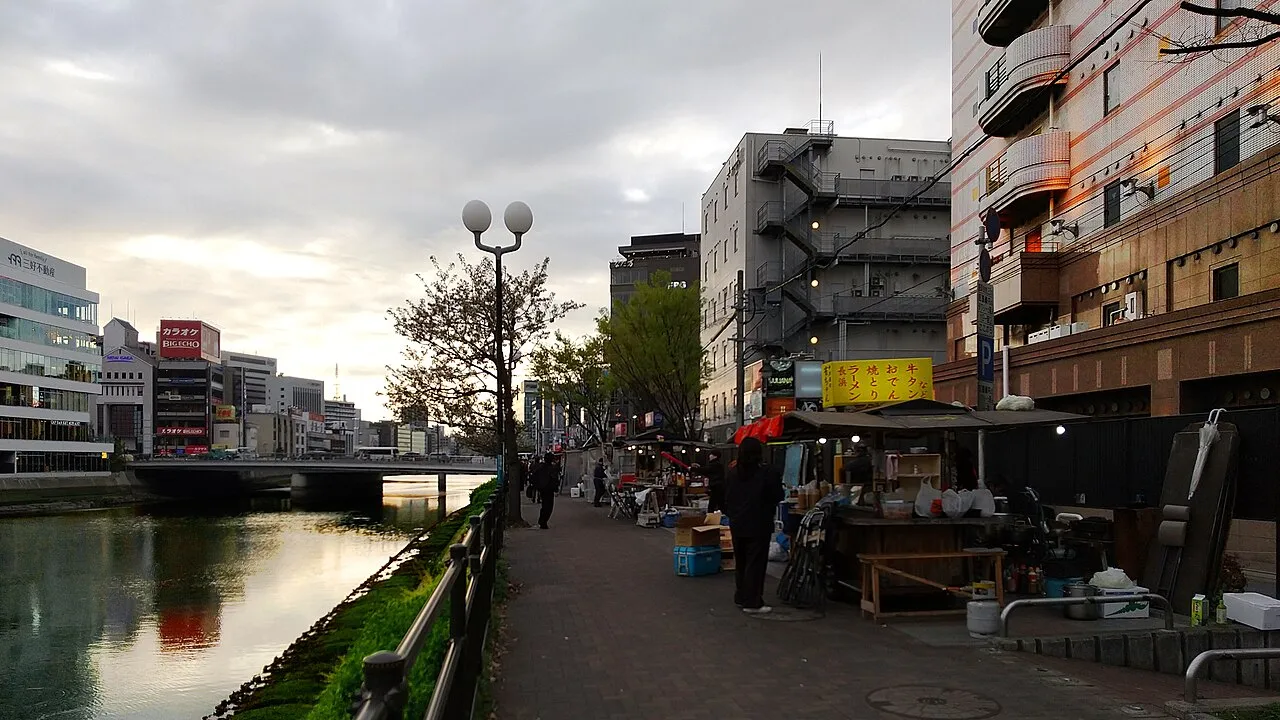
| Nakasu / Haruyoshi | Yatai food stalls along the Naka River | Nakasu-Kawabata station | Part of Nakasu is an adult nightlife district |
| Gion / Canal City | Temples, shrines, Canal City Hakata mall | Gion and Kushida-jinja-mae stations | Quiet late at night |
| Momochi / Seaside | Beach, Fukuoka Tower, baseball dome | Bus or Nishijin station | Far from the centre |

Hakata or Tenjin: which should I choose?
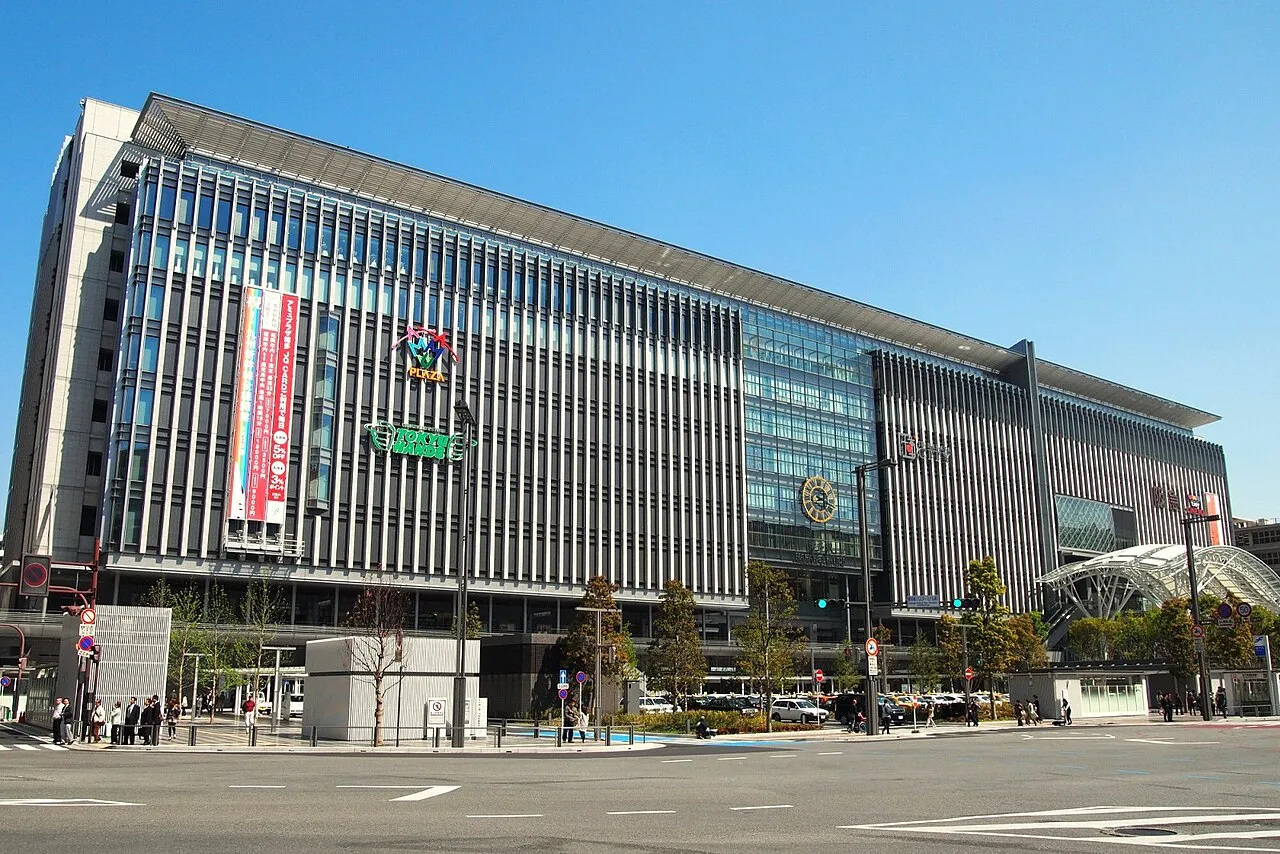
Hakata or Tenjin is the question almost everyone asks, and both are good. They’re two subway stops apart — around five minutes — so you won’t be far from anything. Choose Hakata if you’re using the shinkansen for day trips to Kumamoto, Kagoshima or Hiroshima, if you’re arriving late, or if you want quick airport access. The station complex has department stores, a food hall and the bus terminal for Yufuin and Beppu buses. Choose Tenjin if you want to step out into a lively area at night, with the Tenjin Underground Shopping Center, the cafés and boutiques of Daimyo, and Tenjin’s own yatai streets. Since 2023, the Nanakuma Line has also linked Hakata directly with the south side of Tenjin.
Mid-range pick: Nishitetsu Grand Hotel
A long-established hotel in Tenjin, near the shopping streets and Tenjin Station.
Luxury pick: The Ritz-Carlton, Fukuoka
In the Daimyo Garden City tower in Tenjin, with city and sea views.
Hotel picks are examples by budget, not sponsored stays. Check recent reviews, the room size and the walk to the station before you book.
Where to stay in Fukuoka for first timers?
For most visitors wondering where to stay in Fukuoka for first timers, the answer is near Hakata Station — or anywhere between Hakata and Tenjin along the subway line. The city’s sights are spread out, so a central station matters more than a specific street. Nakasu-Kawabata and Gion stations, between the two hubs, often have good-value business hotels and put you within walking distance of the yatai and Canal City Hakata.
What about Fukuoka hotels near Hakata Station?
Fukuoka hotels near Hakata Station are numerous, from compact business hotels to large international properties, on both the Hakata Exit (west) and the Chikushi Exit (east) sides. The west side faces the city centre and is closer to Canal City and Gion; the east side is closer to the shinkansen platforms and has many newer business hotels. If you have a large suitcase, check whether the hotel is connected by an underground passage — it saves walking in summer heat or heavy rain.
Mid-range pick: JR Kyushu Hotel Blossom Hakata Central
A few minutes from Hakata Station's Hakata exit, handy for the Shinkansen.
Luxury pick: Hotel Nikko Fukuoka
A full-service hotel a short walk from Hakata Station.
Hotel picks are examples by budget, not sponsored stays. Check recent reviews, the room size and the walk to the station before you book.
Are there Fukuoka hotels with onsen?
There are Fukuoka hotels with onsen, but natural hot springs are rare in the city centre. Instead, several city hotels offer large shared public baths (daiyokujo), and a few pipe in hot-spring water. For a true onsen town, Futsukaichi Onsen, one of Kyushu’s oldest, is about 15–20 minutes south of Hakata by JR, with ryokan and public baths. Further away, Yufuin and Beppu in Oita Prefecture are classic overnight trips by bus or train. If it’s your first time, see our ryokan guide.
Budget pick: Dormy Inn Premium Hakata Canal City Mae
A business hotel with a public hot bath, opposite Canal City between Hakata and Nakasu.
Hotel picks are examples by budget, not sponsored stays. Check recent reviews, the room size and the walk to the station before you book.
Do I need a Fukuoka airport hotel?
Usually not. Fukuoka Airport is one of the most central in the world: the Kuko subway line takes about 5 minutes to Hakata and about 10 minutes to Tenjin from the domestic terminal. The international terminal is on the other side of the runway, linked by a free shuttle bus to the domestic terminal and by direct buses to Hakata. A hotel near Hakata Station is effectively an airport hotel. Consider one at the airport only for very late arrivals or very early departures.
What is Nakasu like?
Nakasu is the island between the Naka and Hakata rivers, and its riverside is lined with yatai — small open-air food stalls serving Hakata ramen, oden and grilled skewers — from early evening. Watching the lights reflect on the river is one of Fukuoka’s classic experiences. Parts of Nakasu are an adult entertainment district, with touts on some streets. It’s generally safe, but families may prefer to stay in Gion or Tenjin and visit the yatai for dinner.
Which area is best for food?
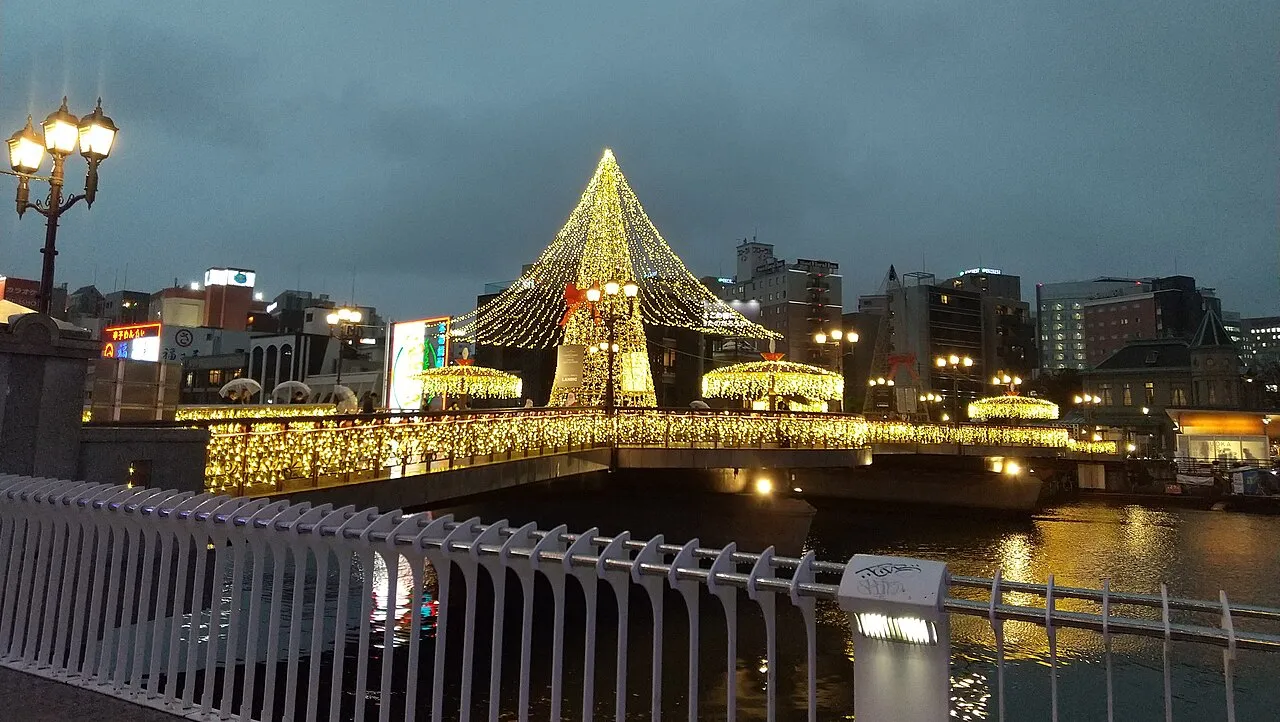
Fukuoka is one of Japan’s great food cities, and where you sleep shapes what you’ll eat. Hakata is the birthplace of tonkotsu ramen, and the station building has a whole floor of ramen shops; nearby streets have motsunabe (offal hotpot) restaurants. Tenjin and Daimyo have the widest choice of restaurants, izakaya and cafés, plus yatai on Watanabe-dori and near Tenjin station. Nakasu’s riverside yatai are the most photogenic but also the busiest, with queues on weekends. Nagahama, near the fish market, has its own cluster of ramen shops and stalls. For a food-focused trip, Tenjin or Haruyoshi is the best base.
Is Fukuoka a good base for day trips?
Yes — it’s one of the easiest bases in Kyushu. From Hakata Station, the Kyushu Shinkansen reaches Kumamoto in about 35 minutes and Kagoshima in around an hour and a half, and the Sanyo Shinkansen continues to Hiroshima. Express buses and trains run to the hot-spring towns of Yufuin and Beppu, and to Dazaifu, with its famous shrine, about 30–40 minutes away by Nishitetsu train from Tenjin. If you plan several day trips, staying near Hakata Station saves time every morning. Ferries to Busan leave from Hakata Port, a short bus or taxi ride from the centre.
When should I visit?
Fukuoka has mild winters and hot, humid summers. Cherry blossom season in late March and early April, and the Hakata Gion Yamakasa festival in July, are busy. Major concerts at the dome and baseball games can fill hotels, so check the event calendar before booking. Typhoons can affect flights in late summer and early autumn.
What should I check before booking?
- Which subway station is nearest, and whether it’s on the Kuko Line.
- Whether the hotel has a public bath, if you want an onsen-style soak.
- Room size: business hotels are compact; families should look for twin or triple rooms.
- Fukuoka’s accommodation tax, a small per-person nightly charge — see Japan tourist taxes.
- If you’re taking the ferry to Busan, distance to Hakata Port International Terminal.
Where are these areas?
Markers show the approximate centre of each area. Map data © OpenStreetMap contributors.
Who should stay where?
- First-timers: Hakata Station.
- Foodies and nightlife: Tenjin, Daimyo or Haruyoshi.
- Solo travellers: Nakasu-Kawabata or Tenjin, for yatai dinners alone.
- Families: Hakata or Gion; Momochi for the beach.
- Onsen lovers: Futsukaichi, or a day trip to Yufuin.
Notes for families and travellers with access needs
Fukuoka’s subway stations have lifts and are generally easy to navigate. Hakata Station is large but well signposted. Yatai stalls are small and crowded, with limited seating, so wheelchair users may find riverside stalls easier to approach early in the evening. Canal City and the Tenjin malls are step-free, with family facilities.
FAQ
Is it better to stay in Hakata or Tenjin?
Hakata for trains and the airport; Tenjin for shopping, food and nightlife. They’re five minutes apart.
Where should first-timers stay in Fukuoka?
Near Hakata Station, or anywhere on the Kuko subway line between Hakata and Tenjin.
How far is Fukuoka Airport from the city?
About 5 minutes by subway to Hakata and about 10 minutes to Tenjin.
Are there onsen in Fukuoka city?
A few hotels have public baths; Futsukaichi Onsen is about 15–20 minutes by JR.
Is Nakasu safe?
Generally yes, but parts are an adult nightlife district; families may prefer Gion or Tenjin.
Get new where-to-stay guides by email
One short email when we publish a new city guide. No spam, unsubscribe any time.
We will email you to confirm. See our privacy policy.

We are a small independent team based in Seoul. We compare neighbourhoods using official tourism and transport sources, maps and current guides, and we say clearly when something is research rather than a personal stay. No sponsored placements. About us and how we work.
Sources: Go Fukuoka – official tourism site · Yokanavi – Fukuoka City tourism · Fukuoka City Subway · Fukuoka Airport · Wikipedia – Fukuoka