
Updated 13 November 2026 · By the Donquijotel team
Choosing where to stay in Tokyo can feel overwhelming. The city has dozens of neighbourhoods, several major rail hubs and two international airports, and each area has a different personality: neon-lit Shinjuku, youthful Shibuya, polished Ginza, traditional Asakusa. The good news is that Tokyo’s trains are so efficient that almost anywhere on or near the JR Yamanote loop line works. The best base for you depends on what you’ll do most, which airport you use and how much quiet you want at night. This guide compares the main areas, with transport links, pros and cons.
Last checked: October 31, 2026. This guide is based on research and comparison of official sources and current travel guides, not a sponsored stay. Transport times and rules change, so check before you go.
Quick answer
- First time in Tokyo? Shinjuku or Shibuya: huge rail hubs, endless food and easy day trips.
- Want calmer, traditional streets? Asakusa or Ueno, with the Skyliner train to Narita Airport.
- Upscale and central? Ginza or around Tokyo Station (Marunouchi), with the Shinkansen on your doorstep.
- Using Haneda Airport? Shinagawa or Hamamatsucho for direct trains and monorail.
- Nightlife? Shinjuku or Roppongi.
Table of contents
- How is Tokyo laid out?
- Which Tokyo area suits me?
- Is Shinjuku a good base?
- What about Shibuya?
- Should I stay in Asakusa or Ueno?
- Is Ginza or Tokyo Station worth the price?
- Which airport should decide my area?
- Where should I stay for day trips from Tokyo?
- How long does it take to get around Tokyo?
- Who should stay where?
- When are hotels most expensive?
- Notes for families and travellers with access needs
- FAQ
How is Tokyo laid out?
Tokyo is a cluster of city centres rather than one downtown. The JR Yamanote Line runs in a loop around the core, linking most major hubs — Shinjuku, Shibuya, Ikebukuro, Ueno, Tokyo Station and Shinagawa — in about an hour for the whole circle. Inside and around it, the Tokyo Metro and Toei subway lines fill the gaps. Staying within a few minutes’ walk of a Yamanote or major subway station matters more than the exact neighbourhood. Shinjuku Station, the world’s busiest, connects to almost everything but can be confusing at first.
Which Tokyo area suits me?
| Area | Best for | Getting around | Watch out |
|---|---|---|---|
| Shinjuku | First-timers, nightlife, food, day trips west | JR Yamanote, Chuo and many subway and private lines | Huge station; Kabukicho is lively late at night |
| Shibuya | Shopping, young crowd, cafés | JR Yamanote, Ginza and Hanzomon lines, Tokyu lines | Crowded at weekends; fewer budget rooms |
| Ginza / Tokyo Station | Upscale stays, Shinkansen, central sightseeing | JR lines, Shinkansen, Marunouchi and Ginza lines | Quiet at night; higher prices |
| Asakusa | Traditional atmosphere, temples, value | Ginza and Asakusa lines, Tobu line | Further from western Tokyo; quiet evenings |
| Ueno | Museums, parks, Narita access | JR Yamanote, Keisei Skyliner to Narita | Some streets are scruffy near the station |
| Ikebukuro | Budget, families, anime shops | JR Yamanote, Marunouchi and Fukutoshin lines | Less charm than other hubs |
| Shinagawa | Haneda Airport, Shinkansen west | JR lines, Keikyu to Haneda | Business district feel |
| Roppongi | Nightlife, art museums | Hibiya and Oedo lines | Not on the Yamanote loop; noisy late |
Is Shinjuku a good base?
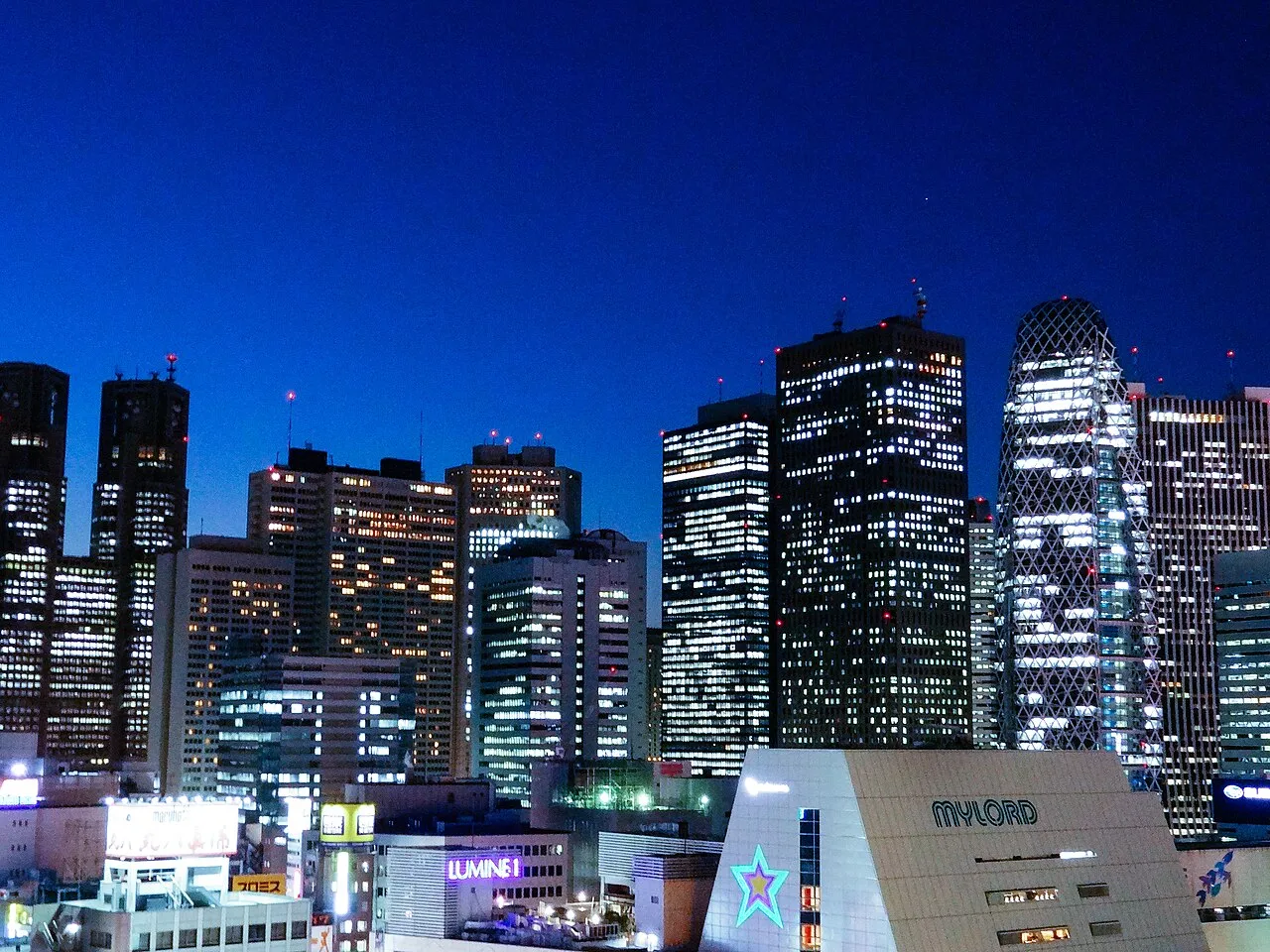
For most first-time visitors, yes. Shinjuku has a vast choice of hotels at every budget, restaurants that stay open late, department stores, the free observation decks of the Tokyo Metropolitan Government Building, and the green space of Shinjuku Gyoen. Trains run directly to Hakone, Mount Fuji’s lakes and the western suburbs, and the Narita Express stops here. The east side around Kabukicho is Tokyo’s main entertainment district — lively and generally safe, but noisy and full of touts at night. Families often prefer the west or south sides of the station.
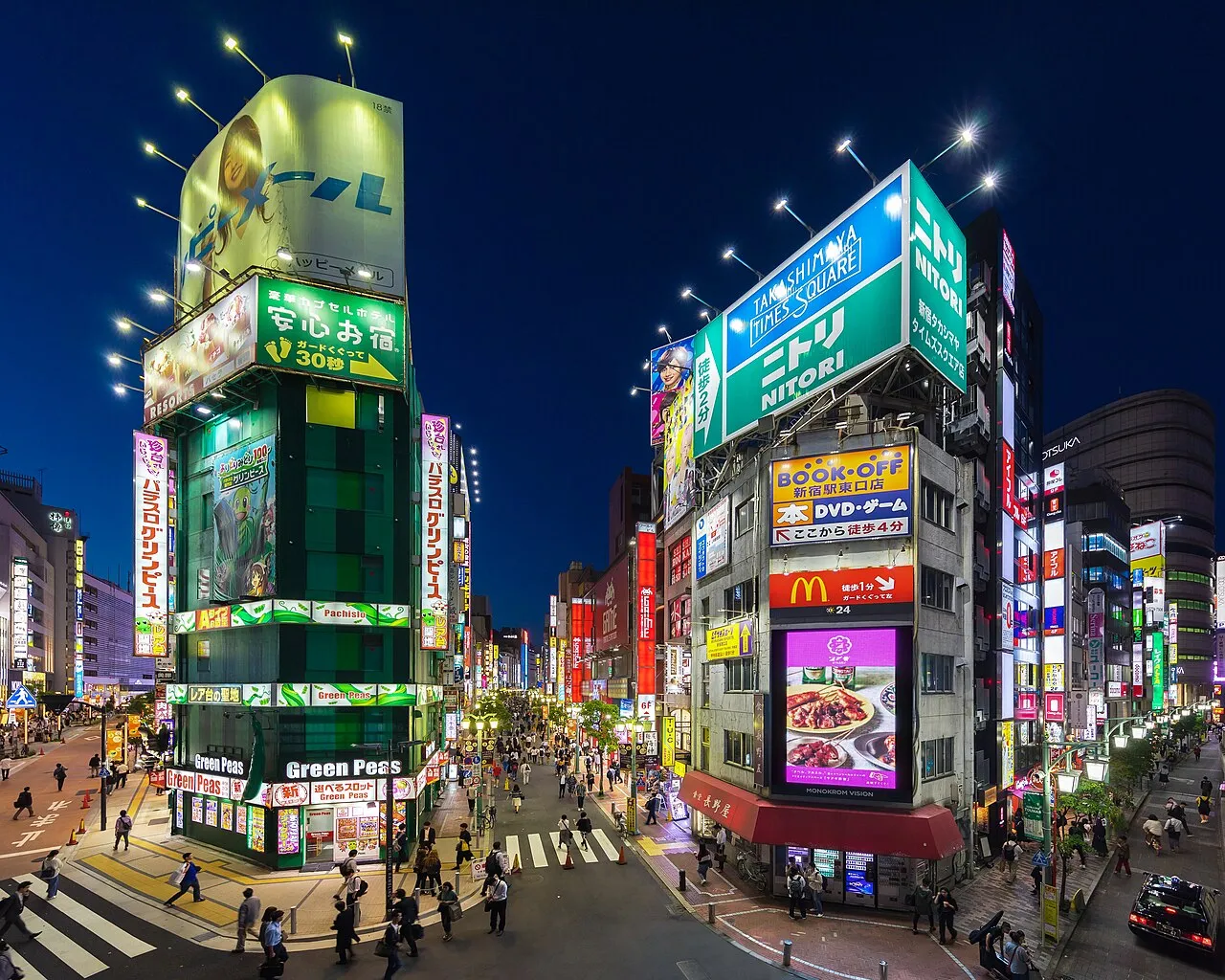
Budget pick: APA Hotel Shinjuku Kabukicho Tower
A large business-hotel tower in Kabukicho, a few minutes' walk from the station's east side — compact rooms, low prices for the location.
Mid-range pick: Hotel Gracery Shinjuku
The hotel with the Godzilla head on the Toho building in Kabukicho; modern rooms and a short walk to the east exit.
Luxury pick: Hilton Tokyo
In the calmer west Shinjuku skyscraper district near Nishi-Shinjuku Station, away from the late-night noise of Kabukicho.
Hotel picks are examples by budget, not sponsored stays. Check recent reviews, the room size and the walk to the station before you book.
What about Shibuya?
Shibuya is famous for its scramble crossing and is the heart of Tokyo’s youth culture, with fashion stores, cafés, rooftop views and new towers around the station. It’s excellent for shopping and evening atmosphere, and close to Harajuku, Omotesando and Ebisu. Prices are a little higher than in Shinjuku and hotels fill quickly at weekends. If you want a stylish, central base and don’t mind crowds, it’s a great choice.
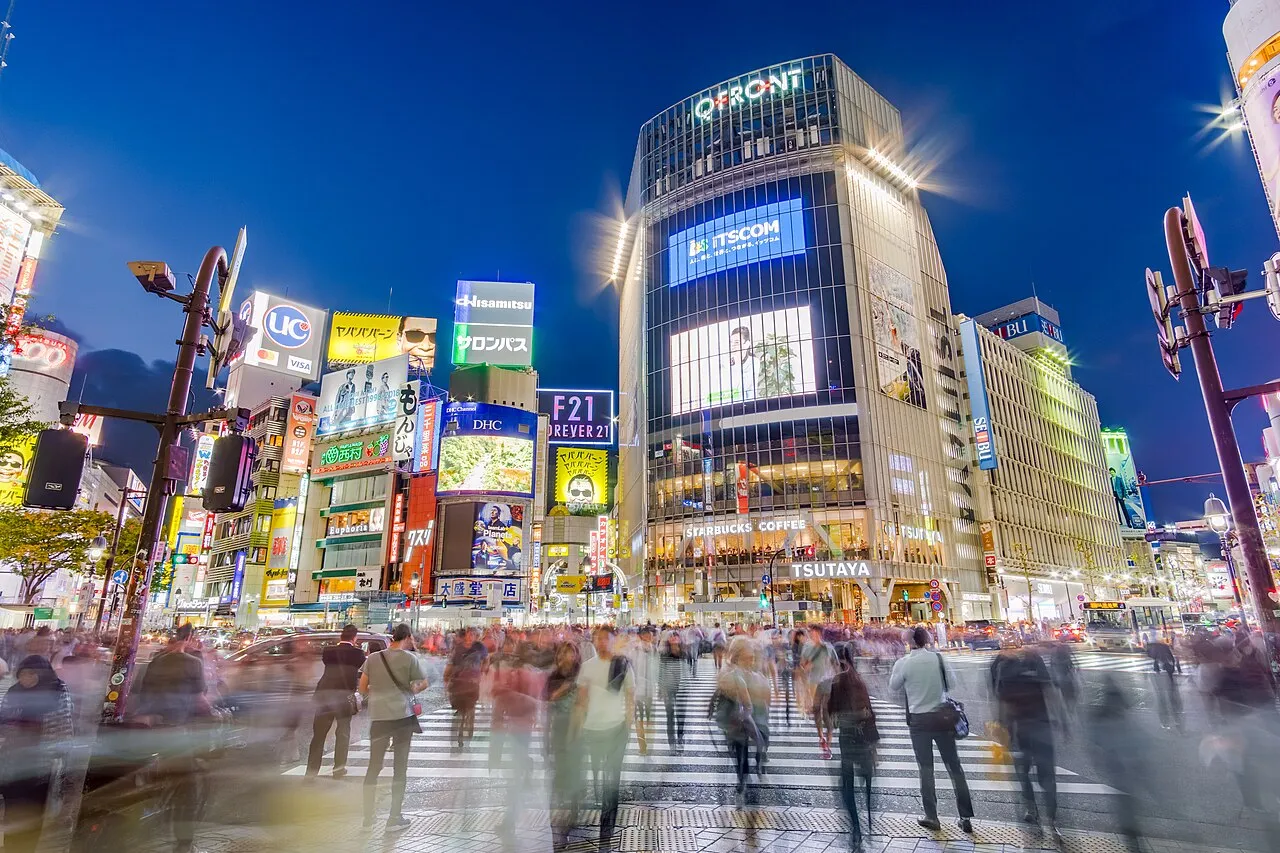
Budget pick: Tokyu Stay Shibuya
Apartment-style business hotel from the Tokyu Stay chain, popular for longer stays and good value for Shibuya.
Mid-range pick: Shibuya Stream Excel Hotel Tokyu
Inside the Shibuya Stream complex, linked to Shibuya Station — hard to beat for rain or late arrivals.
Luxury pick: Cerulean Tower Tokyu Hotel
A tall tower a few minutes' walk from the station's south side, with city views from the upper floors.
Hotel picks are examples by budget, not sponsored stays. Check recent reviews, the room size and the walk to the station before you book.
Should I stay in Asakusa or Ueno?
Asakusa and Ueno, in the north-east, offer a more traditional side of Tokyo. Asakusa has Sensoji, the city’s oldest temple, Nakamise shopping street, small restaurants and views of the Tokyo Skytree, and it’s usually better value than the western hubs. Ueno has a big park with several national museums and the zoo, plus the Keisei Skyliner, which reaches Narita Airport in about 40 minutes. The trade-off is distance: Shinjuku and Shibuya are 30–40 minutes away, and evenings are quieter.
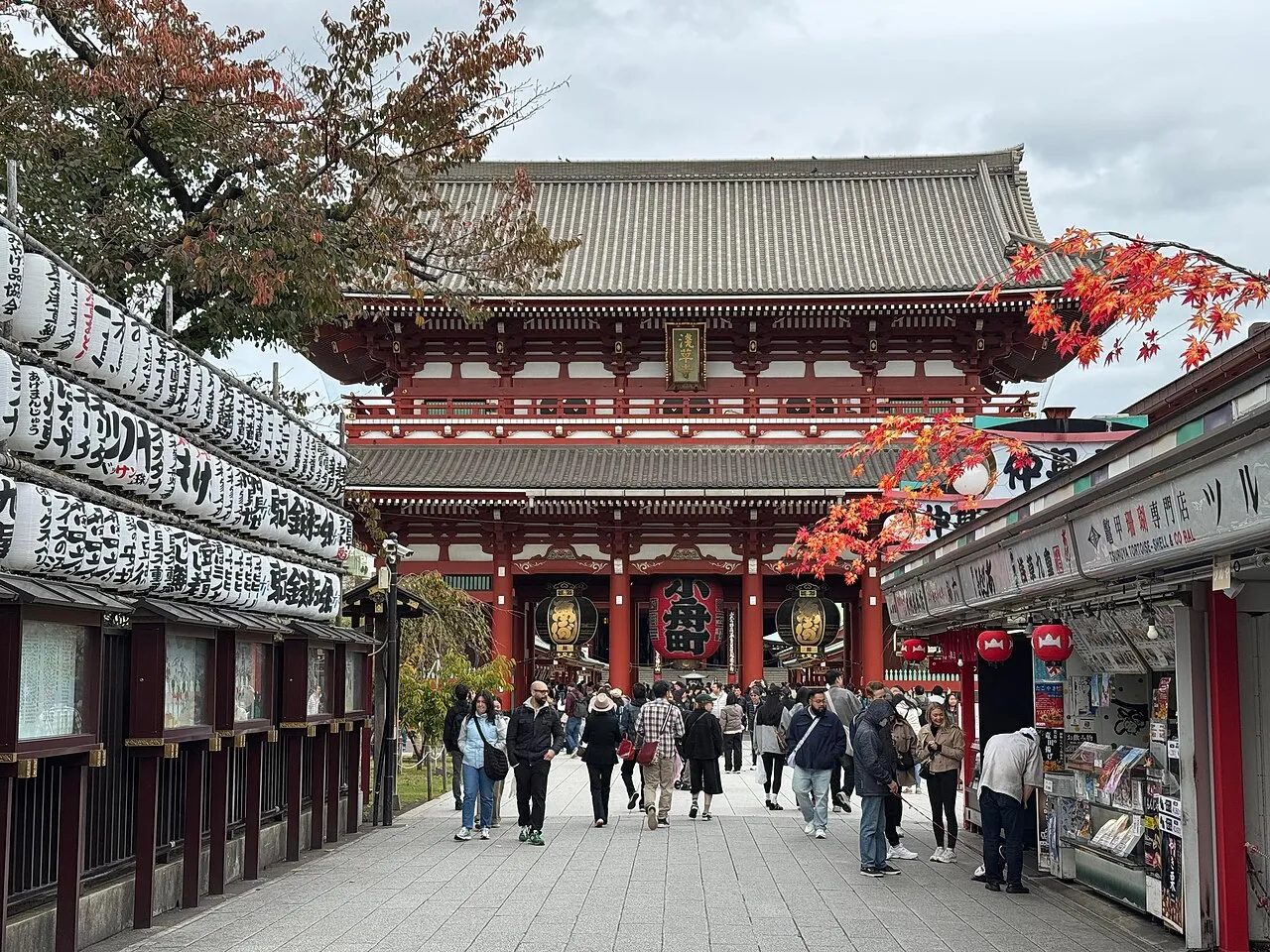
Budget pick: Nui. Hostel & Bar Lounge
A design hostel in Kuramae, between Asakusa and Ueno, with dorms and private rooms and a busy ground-floor bar.
Mid-range pick: Richmond Hotel Premier Asakusa
A few minutes' walk from Sensoji and the Asakusa stations; a reliable mid-range chain with larger rooms than many Tokyo business hotels.
Luxury pick: The Gate Hotel Kaminarimon by Hulic
Steps from Kaminarimon, Sensoji's main gate — the upscale choice for a traditional base.
Hotel picks are examples by budget, not sponsored stays. Check recent reviews, the room size and the walk to the station before you book.
Is Ginza or Tokyo Station worth the price?
For travellers who want comfort and convenience, often yes. The Marunouchi side of Tokyo Station has elegant offices, shopping and the Imperial Palace gardens next door; Ginza, a short walk away, is Tokyo’s classic upmarket shopping district. You’re steps from the Shinkansen for Kyoto, Osaka or the north, and well connected to the rest of the city. The area is very calm at night, which some love and others find a little dull.
Budget pick: Tokyu Stay Ginza
Apartment-style rooms on the quieter east side of Ginza, closer to Tsukiji than to the main shopping street.
Mid-range pick: Mitsui Garden Hotel Ginza Premier
Rooms on the upper floors of a Ginza tower, between Ginza and Shimbashi stations.
Luxury pick: The Tokyo Station Hotel
Inside the red-brick Marunouchi building of Tokyo Station itself — the Shinkansen is a few minutes' walk away.
Hotel picks are examples by budget, not sponsored stays. Check recent reviews, the room size and the walk to the station before you book.

Which airport should decide my area?
| Airport | Fastest links | Good areas | Watch out |
|---|---|---|---|
| Narita (NRT) | Keisei Skyliner to Ueno (about 40 min); Narita Express to Tokyo Station and Shinjuku | Ueno, Asakusa, Tokyo Station, Shinjuku | About 60 km from central Tokyo |
| Haneda (HND) | Keikyu Line to Shinagawa; Tokyo Monorail to Hamamatsucho | Shinagawa, Hamamatsucho, Ginza | Late-night arrivals may need a taxi or bus |
Where should I stay for day trips from Tokyo?
If you plan several day trips, choose your base by the trains you’ll use most. For Hakone and the Fuji Five Lakes, Shinjuku is ideal, with direct express trains and highway buses from the station. For Nikko, Asakusa is handy, as Tobu Railway trains leave from there. For Kamakura and Yokohama, Shinagawa, Shibuya or Tokyo Station all have direct trains. For Shinkansen trips to Kyoto, Osaka, Kanazawa or the north, Tokyo Station or Shinagawa saves time on early mornings. Staying near the right hub can easily save an hour a day.
How long does it take to get around Tokyo?
Tokyo is big, but travel times are predictable. Between neighbouring Yamanote hubs, such as Shinjuku and Shibuya, trains take less than ten minutes. Crossing the city, for example from Shinjuku to Asakusa, usually takes 30–40 minutes with one change. Add time for walking inside big stations: changing lines at Shinjuku or Tokyo Station can take ten minutes on foot. Trains run from around 5 am until about midnight; after that, taxis are the main option. An IC card such as Suica or PASMO, which you can load on most phones, makes every journey simpler.
Where are these areas?
Markers show the approximate centre of each area. Map data © OpenStreetMap contributors.
Who should stay where?
- First-timers: Shinjuku or Shibuya.
- Couples wanting atmosphere: Shibuya, Ginza or Asakusa.
- Families: Ikebukuro, Ueno or near Tokyo Station, close to parks, museums and big stations with lifts.
- Budget travellers: Asakusa, Ueno or Ikebukuro.
- Business and Shinkansen trips: Tokyo Station or Shinagawa.
- Nightlife: Shinjuku or Roppongi.
When are hotels most expensive?
Hotels fill up and prices rise during cherry-blossom season (late March to early April), Golden Week (late April to early May), the Obon holidays in mid-August and around New Year. Big concerts and events can also cause sudden shortages. Booking early on a free-cancellation rate is the safest approach. Tokyo’s accommodation tax is currently small — up to ¥200 per person per night — but is planned to switch to 3% of the room rate from April 2027; see Japan tourist taxes explained.
Notes for families and travellers with access needs
Tokyo hotel rooms are often small; families should look for twin or triple rooms or apartment-style hotels, and check the room size in square metres. Most major stations have lifts, but they can be far from the exit you want, and large stations like Shinjuku involve long walks. Choosing a hotel within a few minutes of a smaller station exit, or near Tokyo Station’s well-signposted lifts, makes life easier with pushchairs and wheelchairs.
Tokyo hotels are busiest during Golden Week 2027, which runs from 29 April to 5 May — book early or travel either side of it.
FAQ
What is the best area to stay in Tokyo for first-timers?
Shinjuku or Shibuya, for their transport links, food and choice of hotels.
Is it better to stay in Shinjuku or Shibuya?
Shinjuku has more hotels and transport; Shibuya is trendier with a younger feel. Both are excellent.
Where should I stay in Tokyo near Narita?
Ueno is easiest, thanks to the Skyliner; Tokyo Station and Shinjuku work with the Narita Express.
Is Asakusa a good place to stay?
Yes, for a traditional atmosphere and value, but it’s further from western Tokyo.
Get new where-to-stay guides by email
One short email when we publish a new city guide. No spam, unsubscribe any time.
We will email you to confirm. See our privacy policy.

We are a small independent team based in Seoul. We compare neighbourhoods using official tourism and transport sources, maps and current guides, and we say clearly when something is research rather than a personal stay. No sponsored placements. About us and how we work.
Sources: GO TOKYO – official Tokyo travel guide · Japan National Tourism Organization · Wikipedia – Shinjuku Station · Wikipedia – Yamanote Line