
Choosing where to stay in Vienna is easier than it looks. Austria’s capital is divided into 23 numbered districts, but nearly everything visitors want — the opera, St Stephen’s Cathedral, the Hofburg palace, the museums and the coffee houses — lies inside or just around the Ringstrasse, the grand boulevard that circles the old town. Vienna’s U-Bahn and trams are excellent, so a hotel near a U-Bahn station in the first nine districts works for almost any trip. This guide compares the best areas, explains how they change in Christmas-market season, and shows who each suits.
Last checked: October 31, 2026. This guide is based on research and comparison of official sources and current travel guides, not a sponsored stay. Transport times and rules change, so check before you go.
Quick answer
- First visit, short stay: Innere Stadt (1st district), inside the Ring.
- Value and great food: Neubau (7th) or Mariahilf (6th), just outside the Ring.
- Families and quieter streets: Josefstadt (8th) or Wieden (4th).
- Train travellers: Near Wien Hauptbahnhof (10th) or Westbahnhof (15th).
- Christmas markets: Rathausplatz is planned to run from mid-November to 26 December 2026; Schönbrunn until early January.
On this page
- How is Vienna laid out?
- Which area of Vienna suits me?
- Is it worth staying inside the Ring?
- Why stay in Neubau or Mariahilf?
- Where should I stay for the Christmas markets?
- How do I get from the airport?
- What is Vienna like in winter?
- Where should I stay for the New Year’s Concert or a ball?
- When is Vienna busiest?
- What makes a good Vienna hotel location?
- Who should stay where?
- Notes for families and travellers with access needs
- FAQ
How is Vienna laid out?
Vienna’s 23 districts (Bezirke) spiral outwards from the 1st district, the Innere Stadt, which was once enclosed by city walls. In the 19th century, the walls were replaced by the Ringstrasse, lined with the Opera, Parliament, City Hall and museums. Districts 2 to 9 surround the Ring and are lively, central residential areas; beyond the Gürtel (the outer ring road) are quieter districts and Schönbrunn Palace in the 13th. Five U-Bahn lines and dense tram routes link everything. The City Airport Train (CAT) reaches Wien Mitte, on the edge of the old town, in about 16 minutes.
Which area of Vienna suits me?
| Area | Best for | Getting around | Watch out |
|---|---|---|---|
| Innere Stadt (1st) | First-timers, sightseeing on foot, Christmas markets | U1, U3, U4 at Stephansplatz and Karlsplatz | Highest prices; touristy streets |
| Leopoldstadt (2nd) | The Prater, the Danube Canal, value close to the centre | U1, U2 | Some areas are plain; check exact location |
| Landstrasse (3rd) | Belvedere, airport train at Wien Mitte | U3, U4, CAT | Mostly residential |
| Wieden (4th) | Naschmarkt, Karlsplatz, quieter streets | U1, U4, trams | Fewer big hotels |
| Mariahilf (6th) / Neubau (7th) | Shopping street, cafés, MuseumsQuartier, value | U3, U6 | Mariahilfer Strasse is busy |
| Josefstadt (8th) | Calm, elegant, families | U2, trams | A tram ride to most sights |
| Near Hauptbahnhof (10th) | Early trains, budget chain hotels | U1, S-Bahn, trains | Less atmosphere |
Is it worth staying inside the Ring?
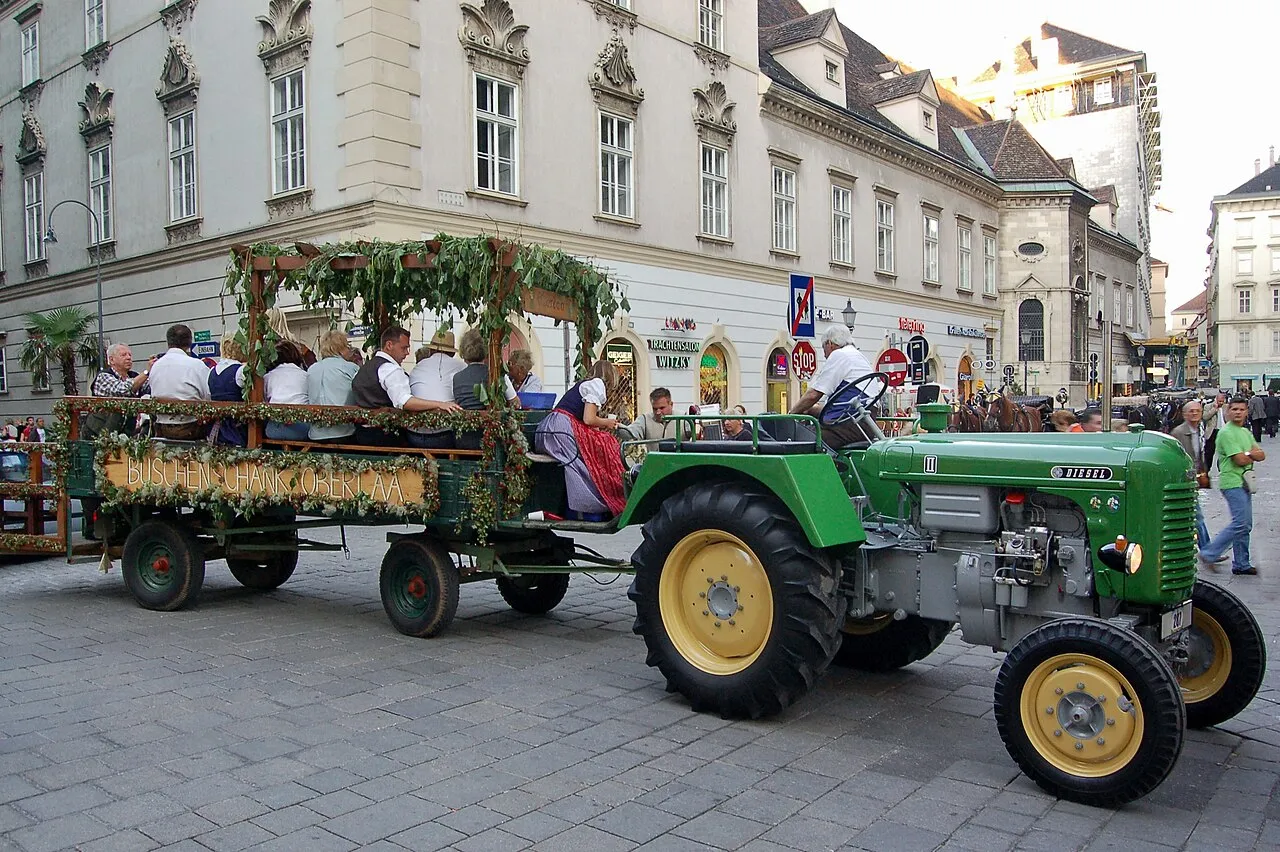
For a short first visit, yes. Staying in the Innere Stadt means you can walk to St Stephen’s Cathedral, the Hofburg, the State Opera, the Albertina and countless cafés, and return to your hotel between sights. In December, the Christmas markets at Am Hof, Freyung, Michaelerplatz and Stephansplatz are on your doorstep, and the big Rathausplatz market is a short walk away. The downside is cost, especially on December weekends, and the area is quiet late at night once shops close.
Why stay in Neubau or Mariahilf?
Just west of the Ring, the 6th and 7th districts are where many Viennese live, shop and eat. Mariahilfer Strasse is the city’s main shopping street; the side streets of Neubau are full of independent shops, bars and restaurants; and the MuseumsQuartier sits on the border with the 1st district. Prices are lower than inside the Ring, and you’re often only 10–15 minutes’ walk from the sights. The Spittelberg Christmas market, in the cobbled lanes of the 7th district, is one of the city’s most charming.
Where should I stay for the Christmas markets?
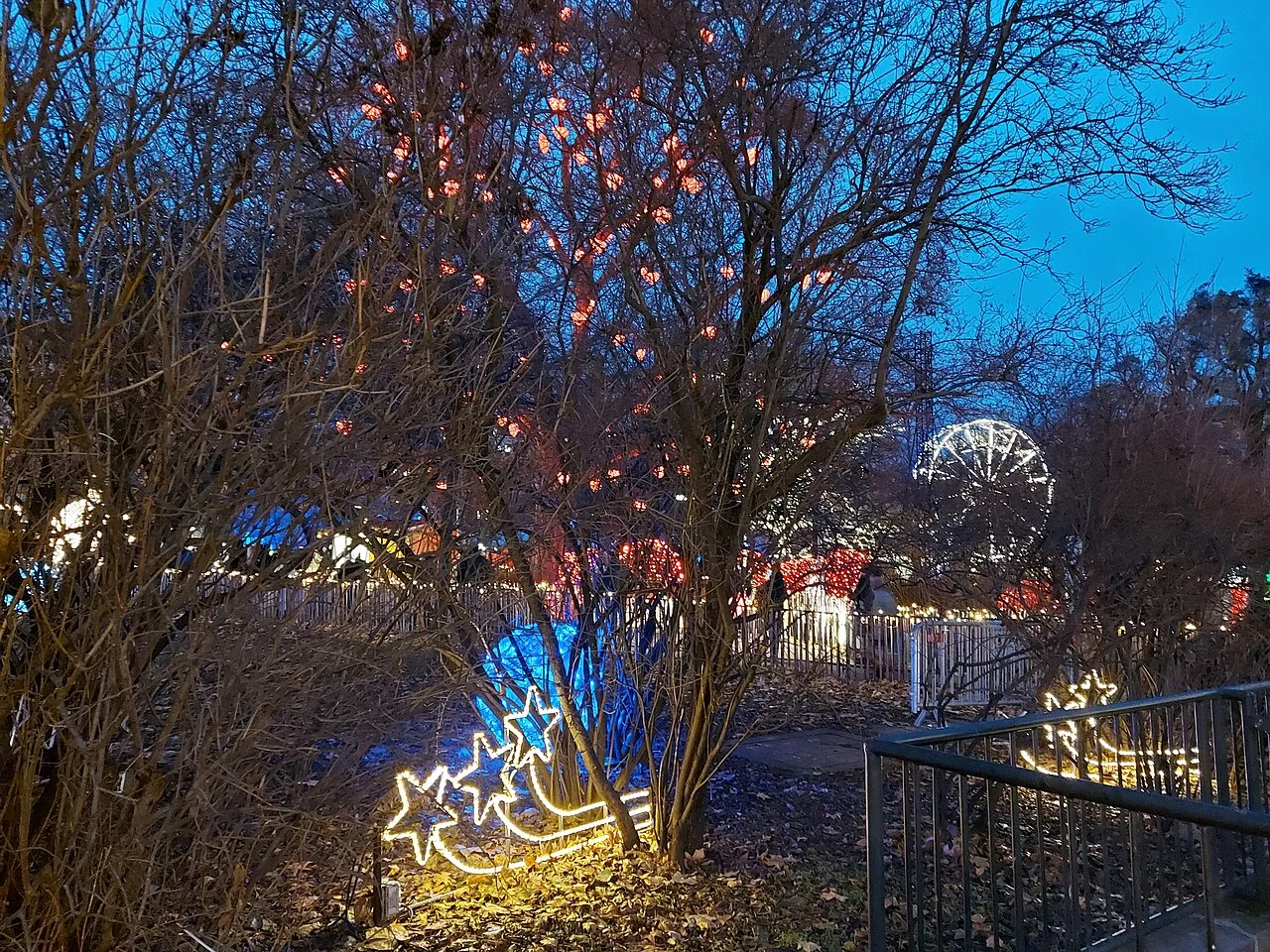
Vienna’s Christmas markets are among Europe’s most famous. According to 2026 guides, the market at Rathausplatz in front of City Hall is planned from mid-November to 26 December, and Schönbrunn‘s market from early November to 6 January 2027; others run at Spittelberg, Karlsplatz, Belvedere, Am Hof and Freyung. For market-hopping on foot, the 1st, 7th or 4th districts are ideal. If you want to visit Schönbrunn often, Mariahilf and the area along the U4 line are convenient. Check each market’s official dates before you travel.
How do I get from the airport?
| Option | Time | Arrives at | Best for |
|---|---|---|---|
| City Airport Train (CAT) | About 16 minutes | Wien Mitte (3rd district) | Speed, hotels near the U3/U4 |
| S-Bahn (S7) | About 25 minutes | Wien Mitte and other stations | Budget travellers |
| Railjet trains | About 15–20 minutes | Wien Hauptbahnhof | Hotels near the main station |
| Taxi or transfer | About 25–40 minutes | Your hotel | Families, late arrivals |
What is Vienna like in winter?
Vienna’s winters are cold, with daytime temperatures often around 0–5°C and occasional snow, but the city is built for it. Coffee houses, museums and concert halls are warm refuges, and the Christmas markets glow from mid-November. Days are short, with darkness falling around 4:30 pm in December, which makes the illuminated streets and markets all the more atmospheric. Pack warm layers and comfortable waterproof shoes for cobbled streets, and plan indoor stops between markets.
Where should I stay for the New Year’s Concert or a ball?
The Vienna Philharmonic’s New Year’s Concert at the Musikverein on 1 January and the season of formal balls from January to Carnival are famous worldwide. Tickets for the concert are allocated by lottery months in advance. If you’re attending, the 1st and 4th districts put you within walking distance of the Musikverein, the State Opera and the Hofburg, which hosts several balls. Book early: these dates fill quickly, and walking home in evening wear is easier than finding a taxi at 2 am.
When is Vienna busiest?
December is high season because of the Christmas markets, especially weekends; New Year’s Eve, with the famous concert and parties, is also busy. Summer brings tourists and festivals, while spring and autumn are popular for good weather. January and February, outside the New Year and the ball season peaks, are usually the best value. Vienna also adds a local accommodation tax as a percentage of the room price, so check whether it’s included. For booking timing, see the best time to book a hotel.
What makes a good Vienna hotel location?
- Within five minutes’ walk of a U-Bahn station, ideally U1, U3 or U4.
- Inside or just outside the Ring if you want to walk to the sights.
- Away from the busiest tram junctions if you’re a light sleeper.
- Near Wien Mitte or Hauptbahnhof if you’re arriving by airport train or rail.
- Close to a supermarket and a café — Viennese breakfast culture is part of the experience.
Where are these areas?
Markers show the approximate centre of each area. Map data © OpenStreetMap contributors.
Who should stay where?
- First-timers: Innere Stadt.
- Couples who love cafés and shops: Neubau or Spittelberg.
- Families: Josefstadt, Wieden or near the Prater in Leopoldstadt.
- Budget travellers: Leopoldstadt, Mariahilf or near the Hauptbahnhof.
- Rail travellers: near Wien Hauptbahnhof or Westbahnhof.
- Christmas-market trips: the 1st or 7th district; compare with Strasbourg.
Notes for families and travellers with access needs
Vienna is generally accessible: most U-Bahn stations have lifts, and newer trams have low floors, though some older trams still have steps. The old town’s cobbled streets can be bumpy for wheelchairs and pushchairs. Historic buildings sometimes have small lifts or steps at the entrance, so check before booking. Christmas markets are crowded in the evenings; weekday afternoons are easier with children.
FAQ
What is the best area to stay in Vienna?
The Innere Stadt (1st district) for first-timers; Neubau or Mariahilf for value and atmosphere.
Is it better to stay inside the Ring in Vienna?
For a short first trip, yes; outside the Ring is cheaper and still close.
Where should I stay for Vienna’s Christmas markets?
In the 1st or 7th district, within walking distance of several markets.
How do I get from Vienna Airport to the city?
The City Airport Train reaches Wien Mitte in about 16 minutes; the S-Bahn is cheaper and slower.
How many nights do I need in Vienna?
Three nights covers the main sights; add a fourth for Schönbrunn, a concert or a day trip to Bratislava or the Wachau valley.
Get new where-to-stay guides by email
One short email when we publish a new city guide. No spam, unsubscribe any time.
We will email you to confirm. See our privacy policy.

We are a small independent team based in Seoul. We compare neighbourhoods using official tourism and transport sources, maps and current guides, and we say clearly when something is research rather than a personal stay. No sponsored placements. About us and how we work.
Sources: Vienna Tourist Board – official site · Wikipedia – Vienna · Wikipedia – Ringstraße · Vienna Unwrapped – Christmas markets 2026