

Spending New Year in Tokyo is a very different experience from most big cities. In Japan, the New Year (shogatsu) is the most important family holiday of the year, more like Christmas in the West. Instead of wild parties, many Tokyoites ring in the year at shrines and temples, eat soba noodles for long life, and spend 1–3 January with family. Some shops and restaurants close, while shrines buzz with visitors making their first prayers of the year (hatsumode). This guide explains what’s open, where to experience New Year traditions and which areas make the best base.
Last checked: October 31, 2026. This guide is based on research and comparison of official sources and current travel guides, not a sponsored stay. Transport times and rules change, so check before you go.
Quick answer
- Main tradition: Hatsumode, the first shrine or temple visit, from midnight on 1 January.
- Best bases: Harajuku/Shibuya for Meiji Jingu, Shiba/Hamamatsucho for Zojoji, Asakusa for Sensoji.
- What’s open: Department stores reopen with New Year sales (often from 1 or 2 January); many small restaurants close 1–3 January.
- Countdown parties: Shibuya’s street countdown has been cancelled in recent years; check for 2026–27.
- Trains: Some lines run all night on 31 December for shrine visitors.
On this page
- What happens at New Year in Tokyo?
- Where should I go for hatsumode?
- Which area is best to stay in over New Year?
- What’s open over New Year?
- Do trains run all night on New Year’s Eve?
- Is there a countdown party?
- When should I book, and how much will it cost?
- Can I visit shrines on 1–3 January instead of midnight?
- What else can I do?
- What should I eat over New Year?
- How cold is Tokyo at New Year?
- How do I do hatsumode respectfully?
- Who should stay where?
- Notes for families and travellers with access needs
- FAQ
What happens at New Year in Tokyo?
On 31 December (omisoka), families eat toshikoshi soba, and many watch the year-end music show on TV. At midnight, Buddhist temples ring their bells 108 times (joya no kane) to cleanse the 108 worldly desires. Then crowds head to shrines for hatsumode, praying for a good year, buying lucky charms (omamori) and drawing fortunes (omikuji). The first three days of January are a quiet holiday period. On 2 January, the Imperial Palace opens to the public for the New Year greeting by the Imperial family, an event that has resumed in recent years.
Where should I go for hatsumode?
| Shrine or temple | Area to stay | What it’s like | Watch out |
|---|---|---|---|
| Meiji Jingu | Harajuku, Shibuya, Yoyogi | Japan’s busiest hatsumode shrine, open through the night | Millions of visitors; long, slow queues |
| Sensoji | Asakusa, Ueno | Tokyo’s oldest temple, festive stalls on Nakamise | Very crowded around midnight |
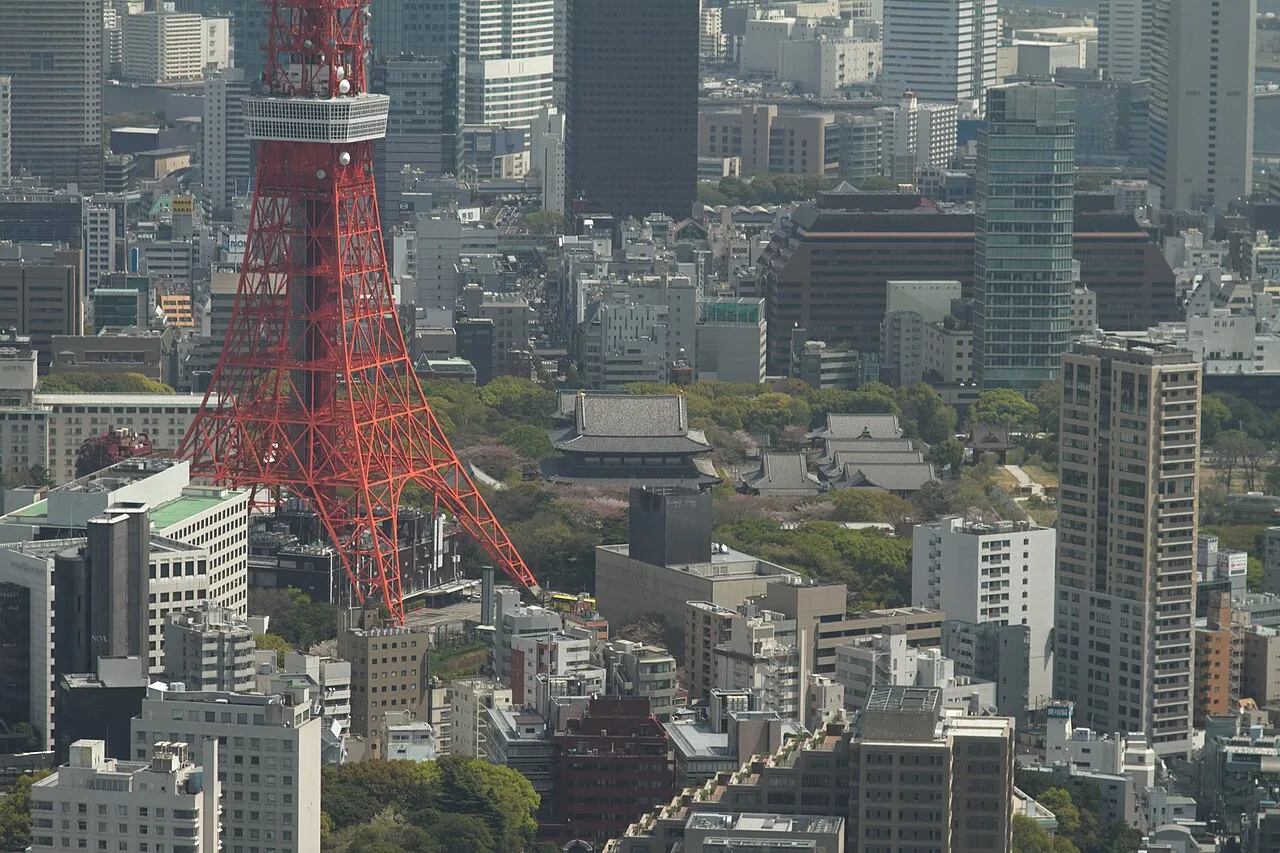
| Zojoji | Shiba, Hamamatsucho, Shinbashi | Temple bell and countdown with Tokyo Tower behind | Popular; arrive early |
| Kanda Myojin | Akihabara, Ochanomizu | Lively shrine popular with businesses | Busy on the first working days |
Which area is best to stay in over New Year?
| Area | Best for | Getting around | Watch out |
|---|---|---|---|
| Shibuya / Harajuku | Meiji Jingu, nightlife, shopping sales | JR Yamanote, subway lines | Crowd control around Harajuku station |
| Asakusa | Sensoji, traditional atmosphere | Ginza and Asakusa lines | Quiet on 1–3 Jan apart from the temple |
| Shiba / Hamamatsucho | Zojoji and Tokyo Tower, Haneda access | JR, monorail to Haneda | Business district, quiet otherwise |
| Shinjuku | Restaurants that stay open, transport | Many lines | Few traditional events nearby |
| Ginza / Tokyo Station | Imperial Palace greeting, department-store sales | JR, subway | Many offices and small eateries closed |
For a full neighbourhood comparison, see where to stay in Tokyo.
What’s open over New Year?
Large department stores and shopping centres usually close on 1 January (some open) and start New Year sales from 2 January, including famous lucky bags (fukubukuro) with mystery contents. Convenience stores, chain restaurants, many hotels’ restaurants and major attractions stay open. Smaller independent restaurants, family-run shops, some museums and offices close for several days, typically from around 29 December to 3 January. Banks close, but ATMs at convenience stores work. Plan meals in advance and expect queues at popular places.
Do trains run all night on New Year’s Eve?
Several JR East and private railway lines in Tokyo have run overnight or late services on 31 December to carry shrine visitors, at lower frequency than usual. Some station exits near big shrines, such as Harajuku, are restricted for crowd control. Check each operator’s New Year timetable, usually published in December, and allow extra time.
Is there a countdown party?
Tokyo has some countdown events at hotels, clubs, amusement parks and venues, often ticketed. The famous crowd countdown at Shibuya’s scramble crossing has been cancelled in recent years to prevent overcrowding, and drinking in public in Shibuya around New Year has been restricted. If you want a big countdown, look for ticketed events or head to a hotel bar with a view.
When should I book, and how much will it cost?
Tokyo hotels are in demand over New Year because Japanese travellers are on holiday too. Book early, especially for 30 December to 2 January, and check for minimum-stay rules. Prices often fall after 3 January. Note that Tokyo’s accommodation tax is small at present but is planned to become 3% of the room rate from April 2027; see Japan tourist taxes explained.
Can I visit shrines on 1–3 January instead of midnight?
Absolutely. Hatsumode can be made any time during the first days of January, and many families go on 1, 2 or 3 January in the daytime. Midnight brings the most atmosphere but the longest queues; daytime visits are calmer, warmer and better for children, while still lively with food stalls and people in kimono. Some visitors also join the queue in the early morning of 1 January after watching the first sunrise.
What else can I do?
- Watch the first sunrise (hatsuhinode) from a high building, riverbank or the coast.
- Try osechi, the special New Year dishes, at hotel restaurants or department stores.
- Join the New Year greeting at the Imperial Palace on 2 January (check details).
- Visit a quieter neighbourhood shrine to see local families in kimono.
What should I eat over New Year?
On New Year’s Eve, eat toshikoshi soba, buckwheat noodles that symbolise a long life and letting go of the year’s hardships. Over the first days of January, families eat osechi, beautifully arranged boxes of symbolic dishes, and ozoni, a soup with mochi rice cakes. Department-store food halls sell osechi and festive sweets, and many hotel restaurants serve New Year menus. Shrine stalls sell street food such as grilled squid, yakisoba and amazake, a sweet warm rice drink.
How cold is Tokyo at New Year?
Tokyo’s winters are dry and sunny but chilly, with daytime temperatures around 8–10°C and nights near freezing. Waiting in a shrine queue at midnight feels much colder, so wear a warm coat, gloves and a hat, and bring hand warmers, sold in every convenience store. Snow is rare in central Tokyo at this time of year.
How do I do hatsumode respectfully?
- Bow once at the torii gate before entering the shrine grounds.
- Rinse your hands and mouth at the purification fountain if it’s open.
- At the main hall, toss a coin into the offering box, bow twice, clap twice, pray, and bow once more.
- Buy an omamori charm or draw an omikuji fortune; tie bad fortunes to the rack provided.
- Return last year’s charms to the collection point to be burned.
Where are these areas?
Markers show the approximate centre of each area. Map data © OpenStreetMap contributors.
Who should stay where?
- First-timers wanting the big hatsumode: Harajuku or Shibuya.
- Traditional atmosphere: Asakusa.
- Night views and the temple bell: Shiba, near Zojoji and Tokyo Tower.
- Food options and transport: Shinjuku.
Notes for families and travellers with access needs
Crowds at major shrines around midnight are dense; families with young children may prefer visiting on 1–3 January in the daytime or a smaller local shrine. Lifts at busy stations can have long queues. Many restaurants close, so families should plan meals and snacks in advance.
FAQ
Is Tokyo good for New Year?
Yes, for a cultural experience of shrine visits and traditions; it’s calmer than Western New Year parties.
What is open in Tokyo on New Year’s Day?
Convenience stores, chain restaurants, hotels and major attractions; many small shops close.
Where is the best place to stay in Tokyo for New Year?
Harajuku or Shibuya for Meiji Jingu, or Asakusa for Sensoji.
Is there a Shibuya countdown for 2027?
The street countdown has been cancelled in recent years; check announcements in December.
Are shrines open all night on New Year’s Eve?
Major shrines such as Meiji Jingu stay open through the night for hatsumode; check each shrine’s hours.
When do Tokyo’s New Year sales start?
Most department stores start their New Year sales and lucky-bag (fukubukuro) offers on 2 January, with some opening on 1 January.
Get new where-to-stay guides by email
One short email when we publish a new city guide. No spam, unsubscribe any time.
We will email you to confirm. See our privacy policy.

We are a small independent team based in Seoul. We compare neighbourhoods using official tourism and transport sources, maps and current guides, and we say clearly when something is research rather than a personal stay. No sponsored placements. About us and how we work.
Sources: GO TOKYO – official Tokyo guide · japan-guide.com – New Year in Japan · Time Out Tokyo – New Year’s Eve · Wikipedia – Hatsumōde